The 2026 supplement market will reward manufacturers that combine scientific discipline with practical execution. Grand View Research estimated the global dietary supplements market at USD 177.5 billion in 2023. Its report projects a 9.1% compound annual growth rate from 2024 to 2030. These figures suggest strong demand, but growth alone does not guarantee a reliable product.
Private Label Supplement Manufacturing now involves more than selecting a capsule, flavor, or label design. Buyers must assess ingredient traceability, formulation expertise, stability testing, production capacity, and quality documentation. NSF International and USP standards remain important reference points for identity, purity, and manufacturing controls. FDA current Good Manufacturing Practices also provide a critical compliance framework for facilities serving the United States.
Details matter.
A credible manufacturer should explain batch testing, allergen controls, complaint handling, and certificate-of-analysis procedures. It should also clarify minimum order quantities, lead times, packaging options, and change-control policies. Euromonitor International’s health and wellness research continues to highlight consumer interest in preventive health, functional nutrition, and transparent claims. However, market demand can encourage rushed decisions. That is where buyers sometimes underestimate formulation complexity.
A strong 2026 supplier comparison should therefore examine evidence, not impressive promises. Factory audits, independent laboratory results, and documented experience deserve greater weight than polished sales presentations. No manufacturer is perfect. Delays, ingredient substitutions, or communication gaps can still occur. The real question is how clearly the company identifies risks and corrects them. This guide evaluates leading private label supplement manufacturers through that practical, evidence-based lens.
What Private Label Supplement Manufacturing Means in 2026
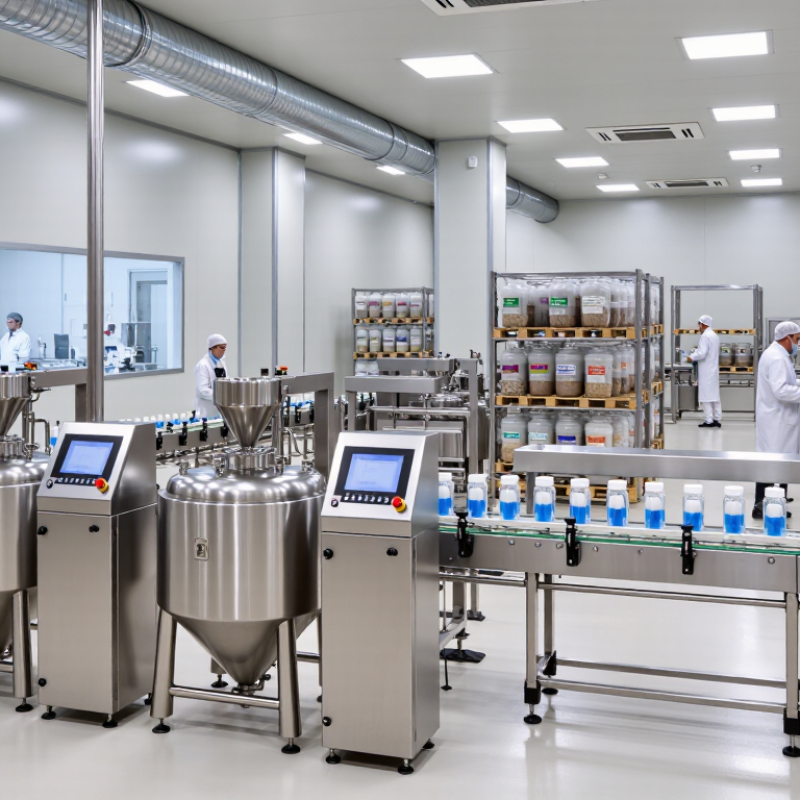
Private label supplement manufacturing now means more than placing a company name on a finished bottle. It involves formulation, sourcing, testing, packaging, documentation, and compliant marketing claims. A capable manufacturer should explain each stage clearly. Details matter.
In practical terms, teams may review ingredient identity, purity, allergens, heavy metals, microbes, and product stability. They should also provide batch records and certificates of analysis from qualified laboratories. A QR code may connect a finished product to its lot information, but digital access does not replace proper testing. The physical process still matters.
Manufacturers increasingly support smaller production runs, recyclable packaging, and faster formulation adjustments. However, speed can create weak points. A rushed launch may leave unclear supplier records or incomplete label reviews. That deserves attention. Buyers should ask who approves specifications, how deviations are handled, and when samples are retained. They should also confirm that every claim fits the intended market’s current rules. Requirements can differ across regions, even for similar products.
No manufacturing system is flawless. Communication can fail between formulation, production, and marketing teams. A careful partner acknowledges those risks and documents corrective actions. In 2026, private label manufacturing is best understood as a controlled product-development relationship, not a shortcut to market.
A practical comparison of the main manufacturing factors, quality controls, timelines, and commercial benchmarks used when evaluating private label supplement partners in 2026.
| Evaluation Dimension | Typical 2026 Benchmark | What It Means for Buyers | Recommended Verification |
|---|---|---|---|
| Manufacturing Model | Private label, custom formulation, or contract manufacturing | Private label generally uses an existing formula with customized branding and packaging. Custom formulation provides more control but usually requires additional development work. | Request a clear description of formula ownership, customization limits, development stages, and change-control procedures. |
| Minimum Order Quantity | Often 500–5,000 finished units for stock or semi-custom products | Minimum quantities vary by dosage form, ingredient cost, packaging format, and whether the formula is already in production. | Confirm the minimum order by product type, flavor, packaging format, and first-order versus repeat-order status. |
| Typical Production Timeline | Approximately 4–12 weeks after formula, artwork, and materials are approved | Production time may increase when ingredients are imported, packaging is custom-made, or additional testing is required. | Obtain a written timeline covering sampling, purchase orders, raw-material sourcing, production, testing, and release. |
| Product Formats | Capsules, tablets, powders, gummies, softgels, liquids, and drink mixes | Each format has different stability, flavoring, equipment, packaging, and minimum-order requirements. | Check whether the facility has dedicated equipment and documented controls for the intended dosage form. |
| Good Manufacturing Practice | Documented GMP systems with batch records, sanitation controls, and quality procedures | GMP compliance supports consistent production, traceability, and control of manufacturing processes. | Review the applicable GMP certificate, certification scope, audit date, issuing body, and facility address. |
| Independent Certification | Common schemes include NSF/ANSI 455-2, NSF Certified for Sport, and other recognized third-party programs | Third-party certification can provide additional assurance beyond a manufacturer’s internal quality claims, but the scope may cover only selected products or facilities. | Verify the certificate directly with the certification organization and confirm that it covers the relevant product category. |
| Raw-Material Testing | Identity testing plus specification-based testing before or during production | Testing may include potency, microbiology, heavy metals, allergens, pesticides, residual solvents, or other risk-based parameters. | Ask for the raw-material specification, certificate of analysis, test method, laboratory details, and lot number. |
| Finished-Product Testing | Testing based on product risk, formula requirements, and applicable regulations | Finished-product testing helps confirm that the manufactured batch meets approved specifications before release. | Require batch-specific results for identity, potency, microbiological quality, and any formula-specific contaminants. |
| Traceability | Lot or batch identification from incoming materials through finished-goods release | Traceability supports recalls, complaint investigations, inventory control, and regulatory documentation. | Confirm that the lot code links to raw materials, production records, testing records, packaging, and distribution records. |
| Label and Regulatory Support | Label review for ingredient declarations, serving information, allergen statements, and required warnings | Manufacturers may provide label support, but the brand owner generally remains responsible for ensuring that claims and labels comply with the target market’s rules. | Use a qualified regulatory reviewer and confirm requirements for every country where the product will be sold. |
| Claims Control | Structure/function and marketing claims should be supported by appropriate evidence and used within applicable legal limits | Health-related claims can create regulatory risk if they imply diagnosis, treatment, prevention, or cure of a disease. | Maintain substantiation files and obtain a documented review of website, packaging, advertising, and influencer content. |
| Packaging Options | Bottles, pouches, sachets, blister packs, jars, and stick packs | Packaging affects product protection, shelf life, shipping cost, minimum order quantity, and consumer usability. | Evaluate moisture, oxygen, light, tamper-evidence, child-resistance, recyclability, and compatibility with the formula. |
| Shelf-Life Evidence | Shelf life supported by stability data and suitable storage conditions | Heat, moisture, oxygen, light, and packaging materials can influence the stability of supplements over time. | Request the stability protocol, storage conditions, time points, specifications, and assigned expiration period. |
| Customization Level | From label-only customization to fully customized formulas, flavors, packaging, and specifications | Greater customization may improve differentiation but normally increases development time, cost, and minimum order requirements. | Separate one-time development charges from recurring production, packaging, testing, and storage costs. |
| Cost Structure | Unit cost is influenced by ingredients, dosage, format, packaging, testing, freight, and order volume | The lowest quoted unit price may not represent the lowest total landed cost or the strongest quality system. | Compare itemized quotations that include tooling, setup, testing, packaging, shipping terms, storage, and payment conditions. |
| Supply-Chain Resilience | Multiple qualified suppliers, documented contingency plans, and realistic inventory planning | Ingredient shortages, transportation delays, weather events, and changing import requirements can affect availability. | Ask about alternate suppliers, safety stock, supplier qualification, lead-time monitoring, and disruption communication. |
| Quality Agreement | Written agreement defining specifications, responsibilities, deviations, complaints, recalls, and release requirements | A quality agreement reduces ambiguity between the brand owner and the manufacturer. | Ensure the agreement covers change notification, out-of-specification results, audits, record retention, and product disposition. |
| Best-Fit Manufacturer Profile | A facility whose certifications, equipment, capacity, testing, and regulatory support match the product’s requirements | The “best” manufacturer is not necessarily the largest; it is the partner that can reliably meet the required quality, volume, market, and timeline. | Use a weighted scorecard covering quality, compliance, capacity, communication, total cost, lead time, and documented performance. |
Note: The figures shown are typical industry planning ranges rather than guarantees. Actual minimum orders, production schedules, testing programs, certifications, costs, and regulatory obligations vary by product, facility, jurisdiction, ingredient, packaging format, and order volume.
Request recent certificates of analysis, batch records, stability data, and a written recall procedure. Trace one ingredient from receiving to final release. A polished file is not enough.
The facility should follow current good manufacturing practices and applicable food-safety standards. Ask for independent audit records, documented specifications, sanitation controls, and testing procedures. Certificates can expire.
Confirm equipment limits, minimum order quantities, lead times, and backup plans. Ask whether the facility produces powders, capsules, softgels, or liquids. Large does not mean capable.
Begin with a written brief covering users, serving size, ingredients, sensory goals, and target markets. Request pilot samples made under production-like conditions. Bench samples can look better.
Testing may include identity, potency, microbes, heavy metals, allergens, and other contaminants. The formula and market determine the exact testing plan. One report proves little.
Check moisture protection, light exposure, seal strength, fill accuracy, and closure performance. Run shipping trials with real labels and containers. Caps may loosen.
Review ingredient declarations, serving directions, warnings, claims, lot codes, expiration dates, and local requirements. A qualified regulatory professional should check the final artwork. Rules can differ widely.
Ask for documented investigations, corrective actions, complaint reviews, and recall procedures. Confirm that every issue has an owner and closure date. Weak communication worries me.
Visit if possible, and inspect weighing rooms, quarantine areas, testing spaces, and temperature logs. Watch how materials move through the facility. Audits can miss problems.
Private Label Supplement Manufacturing in 2026 involves creating and producing supplements under a company’s own brand, from initial concept and formulation to packaging and market readiness. The best manufacturers should offer reliable production capabilities, flexible order quantities, transparent communication, and experience with different supplement formats such as capsules, powders, tablets, and liquids. Evaluating their facilities, equipment, ingredient sourcing, quality controls, and production timelines is essential before making a decision.
A qualified manufacturer should follow recognized certifications and quality standards, including current good manufacturing practices, third-party testing, and documented quality assurance procedures. Product development should include formulation support, ingredient verification, stability testing, accurate labeling, compliant packaging, and appropriate recordkeeping. When selecting a manufacturing partner, businesses should compare expertise, testing processes, customization options, minimum order requirements, pricing, lead times, and customer support. A dependable partner should prioritize product consistency, safety, regulatory awareness, and clear documentation throughout the entire manufacturing process.