+91-8527691232 Paonta Sahib, HP & Noida, India Exporting to 60+ Countries
0%

The global supplement market is expanding, but powder manufacturing demands more than attractive packaging. Grand View Research valued the global dietary supplements market at approximately USD 177.5 billion in 2023. Its report forecasts continued growth through 2030, supported by sports nutrition, healthy aging, and convenient nutrition formats. Powder remains practical because it offers flexible serving sizes, easy blending, and efficient transportation.

This guide examines the Top 10 Dietary Supplement Powder Manufacturers Worldwide through a quality-focused lens. The evaluation considers production capacity, ingredient traceability, testing systems, formulation support, certifications, and international supply reliability. Strong manufacturers should demonstrate documented GMP controls, validated cleaning procedures, accurate weighing, and batch-level laboratory records. A bright white powder means little without verified purity data.

Dr. Paul Coates, former director of the National Institutes of Health Office of Dietary Supplements, emphasized a critical principle: “Natural does not necessarily mean safe.” That warning remains relevant to Dietary Supplement Powder Manufacturing. Suppliers must control allergens, microbial risks, heavy metals, moisture, and cross-contact during production. They also need transparent specifications and responsible label review.

No ranking is flawless. Public data often differs between market researchers, manufacturers, and distributors. Some companies disclose extensive technical information, while others reveal very little. That caveat matters. This overview therefore focuses on evidence that buyers can examine, rather than promotional claims alone. It is designed to help brands, retailers, and procurement teams compare capable partners with greater confidence.
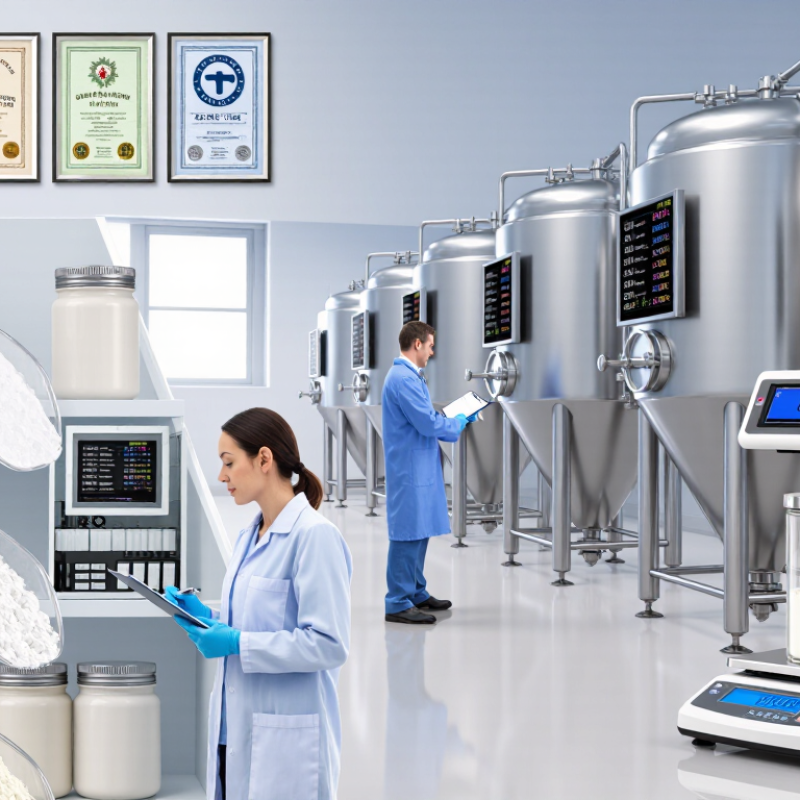
Top 10 Dietary Supplement Powder Manufacturers Worldwide

Definition and Scope of Dietary Supplement Powder Manufacturers

Dietary supplement powder manufacturers are companies that develop, blend, process, and package powdered products intended to supplement everyday diets. Their work may begin with a customer brief or a draft formula, then move through ingredient selection, batch planning, mixing, and filling. The powder might be packed in a tub, sachet, or single-serve stick. Small details matter: particle size can affect how quickly it disperses in water, while humidity can cause clumping. Not glamorous, but important.

The scope of a manufacturer’s services varies. Some handle only blending and packaging; others support formulation, ingredient sourcing, stability checks, and label preparation. Quality systems may include supplier qualification, batch records, in-process checks, and testing for identity or microbiological quality. Buyers should confirm which tests are performed, by whom, and on what samples. “Quality tested” is too vague on its own. Ask for specifics.

These manufacturers are not necessarily ingredient producers, clinical researchers, or medical advisers. Their role is generally to make products to an agreed specification and document how each batch was produced. A capable partner can explain its equipment, cleaning procedures, minimum order quantities, and controls against mix-ups. Yet a polished audit file does not answer every question. Formulas can behave differently at commercial scale, and flavor acceptance remains partly subjective. That boundary is worth discussing before production begins.

Criteria for Ranking the World’s Leading Powder Manufacturers

Ranking the world’s leading dietary supplement powder manufacturers requires more than comparing factory size or production volume. A credible assessment begins with documented quality systems, independent audits, and compliance with recognized manufacturing standards. Inspectors should review clean-room controls, allergen separation, sanitation records, and employee training. A spotless facility helps, but reliable paperwork matters just as much.

Product testing deserves serious weight. Strong manufacturers verify raw materials before mixing and test finished powders for identity, purity, potency, microbes, heavy metals, and unwanted contaminants. They should provide clear certificates of analysis from qualified laboratories. Traceability is equally important. A retained sample, batch code, and digital production record can connect one pouch to its original ingredient lot. That detail becomes valuable when questions arise.

Technical capability also shapes the ranking. Experienced teams should handle protein blends, botanical powders, minerals, flavor systems, and moisture-sensitive ingredients without hiding formulation limits. Small pilot batches can reveal poor flow, clumping, or uneven flavor before large-scale production. Communication matters too. Slow replies and vague specifications often signal operational weakness. Sustainability, worker safety, packaging choices, and delivery reliability add further evidence of responsible practice.

No ranking is perfect. Public information may be incomplete, and impressive certifications can become outdated. For that reason, evaluators should compare recent audit dates, laboratory methods, complaint records, and customer references. Practical experience should challenge attractive claims. A manufacturer earns trust through repeatable results, not polished language alone.

Global Market Overview and Manufacturing Trends

Top 10 Dietary Supplement Powder Manufacturers Worldwide

Global Market Overview and Manufacturing Trends

The global dietary supplements market continues to expand, with powders gaining attention for flexible dosing and efficient shipping. Grand View Research valued the market at approximately USD 177.5 billion in 2023. Its forecast suggests a compound annual growth rate of about 9.1% through 2030. These figures include capsules, liquids, gummies, and powders. Powder manufacturers therefore compete through more than production volume.

Manufacturing is moving toward cleaner labels, smaller batch sizes, and stronger traceability. A 2024 food and nutrition industry survey from Innova Market Insights identified health, convenience, and transparent ingredients as major consumer priorities. Modern facilities increasingly use automated weighing, metal detection, and digital batch records. Plant-based proteins, electrolyte blends, collagen alternatives, and functional fiber remain active development areas. Yet market forecasts are not flawless. Regional definitions differ, and consumer demand can change faster than factory planning.

Tips: Evaluate suppliers through audited quality systems, not attractive claims alone. Ask for certificates of analysis, allergen controls, stability data, and country-specific compliance records. Check whether the powder flows consistently in a standard scoop. A smooth sample can still hide segregation during transport. Smaller manufacturers may offer flexibility, but their documentation needs closer review. Buyers should also examine water usage, packaging waste, and energy sources. Sustainability claims require measurable evidence, not vague language.

Profiles of the Top 10 Dietary Supplement Powder Manufacturers

The top 10 dietary supplement powder manufacturers are best assessed through manufacturing depth, testing discipline, and formulation experience. Grand View Research valued the global dietary supplements market at approximately USD 177.5 billion in 2023. It projects a 9.1% compound annual growth rate from 2024 to 2030. Powder producers benefit from convenient dosing, flexible flavors, and efficient blending.

These profiles examine facilities that handle protein, vitamin, mineral, botanical, and electrolyte powders. Strong manufacturers typically operate under Good Manufacturing Practices and maintain documented supplier qualification. Independent testing may verify identity, potency, heavy metals, microbes, and allergen controls. A clean production room matters. So does a readable batch record. The International Organization for Standardization also provides food-safety frameworks that support risk-based quality management.

Demand is becoming more evidence-conscious. The Council for Responsible Nutrition reported that 74% of U.S. adults used dietary supplements in 2023. However, consumer interest does not prove product effectiveness. Manufacturers must separate tested benefits from attractive marketing language. Some public rankings remain imperfect because companies disclose different levels of capacity, revenue, and testing data. That limitation deserves attention. Our profiles therefore emphasize verifiable certifications, technical services, production scale, and transparency rather than visibility alone. A capable supplier should explain its specification sheet clearly, including serving size, flow properties, moisture limits, and finished-product release criteria.

Top 10 Dietary Supplement Powder Manufacturers Worldwide

This chart presents a comparative manufacturing capability index for leading dietary supplement powder suppliers. The index combines commonly documented industry capabilities, including formulation support, quality systems, global market access, private-label services, packaging flexibility, and powder-processing expertise. It is intended as a neutral industry profile rather than a ranking of company sales or brands.

Quality Standards, Certifications, and Product Capabilities

Choosing a dietary supplement powder manufacturer requires more than a polished sample. Buyers should examine documented controls for ingredient identity, contamination risks, batch consistency, and finished-product testing. In the United States, FDA dietary supplement current good manufacturing practice rules, 21 CFR Part 111, require defined quality-control procedures and production records. Independent certifications can add useful verification, but their scope matters: confirm whether an audit covers the actual facility, product category, and relevant processes. Paperwork alone is not proof.

Market growth raises the stakes. Grand View Research estimated the global dietary supplements market at US$177.5 billion in 2023, with continued growth projected through 2030. That figure covers supplements broadly, not powders alone, but it signals rising pressure on manufacturers to scale without weakening controls. Ask for recent certificates of analysis, testing methods, allergen controls, and traceability records. A clear answer should connect a lot number to its ingredient sources and test results. Small details matter.

Product capability is equally practical. Can the facility handle fine powders, flavor systems, moisture-sensitive ingredients, and different serving sizes? Request pilot-batch data, mixing uniformity results, and packaging options that protect against humidity. NSF/ANSI 173 and USP verification programs provide recognizable frameworks for evaluating supplement quality, though neither replaces buyer due diligence. A certificate is not a guarantee. Even experienced teams can miss things; that is why specifications, audits, and periodic retesting should work together, rather than being treated as a one-time checklist.

Top 10 Dietary Supplement Powder Manufacturers Worldwide - Quality Standards, Certifications, and Product Capabilities

Note: Company names and brand data are intentionally omitted. Without identifiable manufacturers, facility-specific certifications and production capabilities cannot be independently attributed. The table below summarizes recognized standards and practical capability checks for evaluating manufacturers; certification scope and validity should be confirmed directly with each facility.

No. Quality standard or capability What it covers Evidence to request from a manufacturer
1 cGMP Good manufacturing practices address controlled production, sanitation, records, and quality oversight. Applicable requirements depend on the market and product. Current inspection or audit documentation, facility address, product scope, and corrective-action records.
2 NSF/ANSI 455-2 A certification standard for dietary supplement manufacturing operations, including requirements related to quality systems and manufacturing controls. Certificate or directory listing showing the certified site, scope, and current status.
3 FSSC 22000 A food-safety management system certification scheme based on ISO 22000 and relevant prerequisite programs. Valid certificate, certified site, scope covering the relevant manufacturing activities, and certification-body details.
4 BRCGS Food Safety A third-party food-safety and quality certification program used by manufacturers and supply chains. Current audit certificate and report summary, including site, scope, grade, and audit date.
5 ISO 22000 An international food-safety management system standard for organizations in the food chain. Valid certificate and confirmation that its scope includes the actual production site and relevant processes.
6 HACCP-based controls A preventive approach for identifying and controlling food-safety hazards. HACCP implementation is not, by itself, proof of a particular third-party certification. Hazard analysis, control plans, monitoring records, verification procedures, and any applicable independent audit.
7 Powder blending and mixing Capability to blend powdered ingredients to a defined formulation and manage batch consistency; suitable equipment and validation depend on the product. Equipment list, batch-size range, blend-uniformity approach, allergen controls, and process-validation records.
8 Testing and release controls Testing programs may include identity, microbiological, and contaminant testing, selected according to ingredients, risks, and market requirements. Representative certificates of analysis, test methods, sampling plans, laboratory qualifications, and product-release criteria.
9 Traceability and recall readiness Lot records and traceability procedures support investigation of ingredients and finished products; recall obligations vary by jurisdiction. Mock-recall results, lot-coding examples, supplier records, and documented traceability procedures.
10 Packaging and private-label services Potential services include filling powders into tubs, pouches, or sachets and supporting custom formulations or labels; availability varies by facility. Supported formats, minimum order quantities, packaging-line controls, label review process, and market-specific compliance support.

Comparison principle: Certifications are site- and scope-specific, and do not automatically certify every product made at a facility. Verify current status with the issuer or certification body before making a supplier decision.

FAQS

What criteria matter most when ranking powder manufacturers?

Quality systems, independent audits, testing, traceability, technical skill, worker safety, sustainability, and delivery reliability matter. Factory size alone misleads.

How should a buyer assess facility hygiene?

Review clean-room controls, allergen separation, sanitation records, and employee training. A bright room is not enough. Paperwork matters too.

Which tests should finished powders receive?

Testing should confirm identity, purity, potency, microbes, heavy metals, and unwanted contaminants. Ask for recent laboratory certificates. Methods still deserve scrutiny.

Why is batch traceability important?

A batch code, retained sample, and digital record can connect one pouch to its ingredient lot. This helps investigate complaints quickly.

What technical abilities should a capable manufacturer show?

Teams should manage protein, botanical, mineral, flavor, and moisture-sensitive powders. Pilot batches can expose clumping, poor flow, or uneven flavor.

How can buyers judge a powder sample?

Check scoop flow, texture, moisture, and flavor consistency. A smooth sample can still separate during transport. Test more than once.

Do certifications prove a manufacturer is reliable?

No. Confirm current audit dates, laboratory methods, complaint records, and customer references. Certificates can become outdated. Attractive claims need evidence.

What trends are shaping powder manufacturing?

Demand favors clean labels, smaller batches, transparent ingredients, plant-based proteins, electrolyte blends, and functional fiber. Forecasts remain uncertain across regions.

How should sustainability claims be evaluated?

Ask for measurable data on water, energy, packaging waste, and worker safety. Vague promises prove little. Evidence may still be incomplete.

Conclusion

This article explores the global landscape of Dietary Supplement Powder Manufacturing, defining the role and scope of manufacturers that develop, process, package, and support powdered nutritional products. It explains how leading companies are evaluated through criteria such as production capacity, research and development, ingredient sourcing, quality control, customization, supply reliability, and international market reach. The overview also highlights major manufacturing trends, including demand for convenient nutrition formats, cleaner formulations, functional ingredients, sustainable production practices, and advanced processing technologies.

The profiles of the top ten manufacturers present a balanced view of their product capabilities, operational strengths, and areas of specialization without focusing on brand names. The article further examines quality standards and certifications that help ensure product consistency, safety, traceability, and regulatory alignment across different markets. By combining market insight with practical evaluation criteria, this guide helps businesses and industry professionals understand how global dietary supplement powder manufacturers compete, innovate, and meet the evolving needs of consumers and partners.


Maris

Maris

Maris is a dedicated marketing professional with a strong understanding of the company’s products, customers, and industry landscape. Through a combination of market research, strategic planning, and clear communication, Maris helps transform complex product information into practical, valuable......