Explore our export-grade raw materials, functional food ingredients, and precision bulk container formats compliant with international CE and food contact standards.
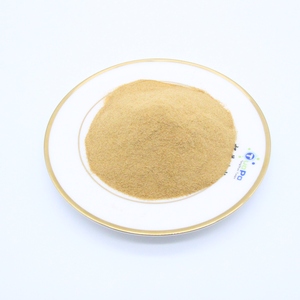
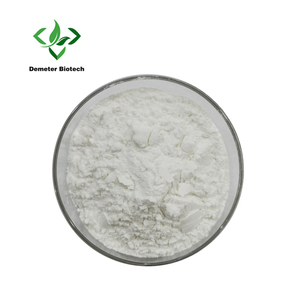
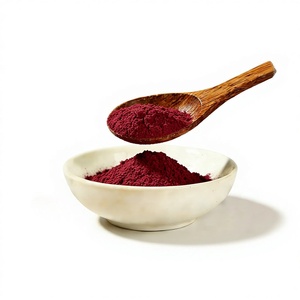
Synthesizing pharmaceutical precision with large-scale industrial bottling, contract manufacturing (CRAMS), and certified export execution.
Our state-of-the-art manufacturing campus operates under strict ISO 22000, FSSC 22000 (Intertek audited), US FDA registration, GMP, HACCP, AYUSH, and Halal certifications. Dedicated cleanroom blocks prevent cross-contamination across liquid filling, tablet compression, and powder encapsulation lines.
Every bottle, jar, closure system, and drum container undergoes stringent CE directive evaluation, ensuring zero hazardous chemical migration (EU 10/2011 compliance). Heavy metal limits, plasticizer leaching, and mechanical drop tests are documented per batch lot.
Integrated analytical laboratories equipped with High-Performance Liquid Chromatography (HPLC), Gas Chromatography (GC-MS), UV-Vis Spectrophotometry, and accelerated stability chambers monitor product potency, shelf-life stability, and barrier container hermetic sealing.
A comprehensive examination of material science, barrier engineering, European CE compliance, and contract manufacturing standards for industrial buyers.
In global trade, particularly within the European Economic Area (EEA) and stringent North American regulatory frameworks, CE certification for bottle packaging factories represents far more than a standard compliance stamp. It signifies that the primary and secondary packaging materials, automated capping mechanisms, and structural bottle profiles conform strictly to Essential Health and Safety Requirements (EHSR) governed by directives such as EU Regulation (EC) No 1935/2004 on food contact materials and Directive 94/62/EC on packaging and packaging waste.
Modern B2B procurement teams evaluating bottle exporters must verify that factories maintain certified Quality Management Systems compliant with ISO 15378:2017 (Primary packaging materials for medicinal products) and ISO 9001:2015. Rigid HDPE (High-Density Polyethylene), PET (Polyethylene Terephthalate), Amber Glass, and Aluminum containers destined for sensitive compounds—such as Alpha Cyclodextrin Powder or Kojic Acid Powder—require documented chemical inertness to eliminate leachables and extractables under varying temperature profiles.
Our analytical labs perform ASTM D3078 standard test methods for determination of leaks in flexible and rigid packaging by bubble emission, along with automated electromagnetic induction sealing checks. This guarantees 100% moisture vapor transmission rate (MVTR) compliance for hydroscopic ingredients like Vital Wheat Gluten and Maltodextrin.
Request Factory Audit DocumentationTo assist international procurement managers, QA auditors, and brand owners in selecting optimal packaging formats, the following standardized data matrix contrasts key packaging substrates utilized across our 8 commercialized product lines:
| Packaging Substrate / Format | Primary Target Ingredient | Barrier Properties (MVTR / OTR) | CE & Food Contact Compliance | Typical Industrial Volume |
|---|---|---|---|---|
| High-Barrier HDPE Bottle | Alpha Cyclodextrin, Kojic Acid | Ultra-Low MVTR, High UV Resistance | EU 10/2011 & FDA | 500g, 1kg, 5kg Jars |
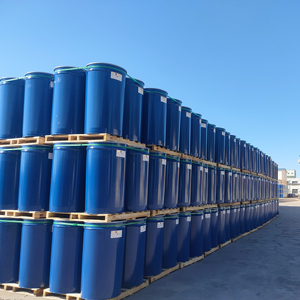
| Aseptic 220L Steel Drum | Classic Concentrated Tomato Paste | Zero Oxygen Penetration (Oxygen Scavenger Liner) | CE / Heavy Metal Free | 220 Liters / 245 kg Net |
| Induction-Sealed PET Jar | Yeast Extract, Beetroot Powder | High Moisture Barrier, High Clarity | ISO 15378 / EC 1935 | 250g, 500g, 1000g |
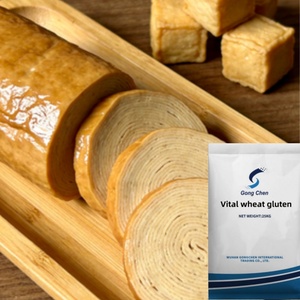
| Multi-Layer PE Kraft Bag / Drum | Vital Wheat Gluten, Maltodextrin | Multi-Ply Moisture & Dust Proof | GMP & FSSC 22000 | 25kg Bulk Bag / 500kg Tote |
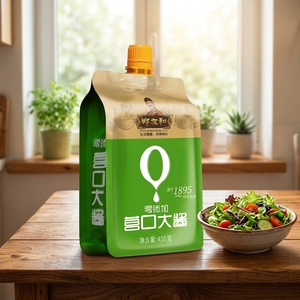
| Food-Grade PP Tub / Bucket | Traditional Yingkou Soybean Paste | High Fat & Salt Corrosion Resistance | CE Certified PP | 1kg, 5kg, 10kg Commercial Tub |
Navigating global supply chains requires a partner that bridges raw ingredient synthesis with custom packaging design. Leveraging 38+ years of expertise, our facilities provide comprehensive CRAMS solutions. Whether your brand demands custom bottle mold design, anti-counterfeiting holographic neck sleeves, child-resistant closure (CRC) integration, or tamper-evident induction foils, our engineering team manages the transition from pilot testing to 10,000+ unit daily output.
For sensitive cosmetic raw materials such as Kojic Acid Powder, which undergoes oxidative degradation when exposed to light and ambient humidity, our factories deploy amber-tinted pharmaceutical-grade PET and HDPE bottles equipped with silica gel desiccant caps. Similarly, thick pastes like Yingkou Soybean Paste require food-grade polypropylene containers engineered with high-impact resistance to withstand thermal pasteurization and long-haul shipping vibrations without seal fatigue.
Key technological transformations driving international packaging selection over the next decade.
By 2026, European mandates require a minimum of 25-30% Post-Consumer Recycled (PCR) content in rigid plastic packaging. Leading exporters are transitioning toward food-contact certified PCR-PET and PCR-HDPE, verified via EU 10/2011 challenge tests to maintain structural strength without chemical leaching.
CE-certified packaging plants are integrating unique laser-etched QR codes and GS1 DataMatrix identifiers onto bottle bottoms and caps. This enables real-time supply chain transparency, batch genealogy verification, and instant access to COA (Certificate of Analysis) data for global customs clearance.
Advanced co-extrusion technology allows reduction in bottle resin weight by up to 18% while enhancing oxygen barrier performance via nano-scale internal silica coating (SiOx). This reduces air freight costs while preserving sensitive active ingredients during global transport.
As food technology advances, ingredient manufacturers are moving away from traditional single-layer containers toward composite, multi-layer barrier systems. Products such as Yeast Extract Powder and Dehydrated Red Beetroot Powder are highly hygroscopic; exposure to ambient humidity above 45% causes rapid caking, loss of flowability, and color degradation.
To combat these issues, modern export factories employ automated cleanroom filling lines equipped with nitrogen flushing prior to induction capping. By driving residual oxygen levels inside the container below 1.5%, shelf life is extended from 12 months to 24-36 months without the addition of artificial synthetic antioxidants.
Direct technical answers to common queries raised by international buyers, auditors, and supply chain managers.