


Direct factory wholesale supply with verified technical specifications, flexible packaging options (bags, drums, cartons), and complete global regulatory export documentation.
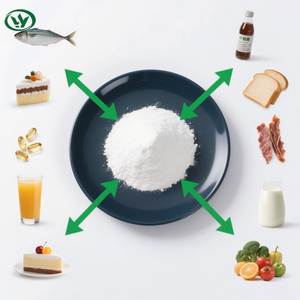
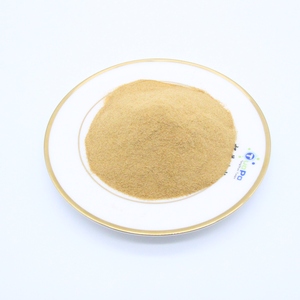
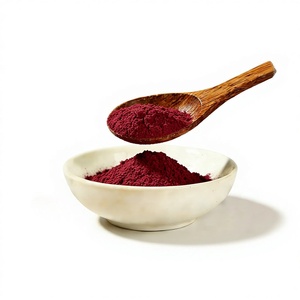
Combining high-capacity industrial throughput with rigorous pharmaceutical-grade analytical testing to serve global brands, distributors, and food processors.
In the contemporary global trade ecosystem, procurement directors, contract manufacturers, and R&D formulary scientists face unprecedented supply chain complexities. Sourcing high-volume raw materials from China requires an analytical approach that evaluates not only cost per metric ton, but also analytical batch consistency, regulatory compliance dossiers (US FDA, EU EFSA, FSSC 22000), molecular stability, and supply chain traceability. As a premier China Wholesale Bulk Ingredients Manufacturer & Exporter, our operations bridge the critical gap between ultra-large-scale industrial synthesis and strict international quality standards.
Understanding the rheological, structural, and physiological behavior of raw materials is essential for creating high-performance commercial consumer products. Below is an authoritative technical analysis of key wholesale ingredients engineered within modern manufacturing facilities:
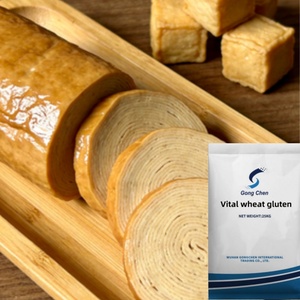
A. Vital Wheat Gluten (High-Viscoelastic Plant Protein): Derived via continuous wet-milling of non-GMO wheat flour followed by flash drying, Vital Wheat Gluten comprises insoluble monomeric gliadins and polymeric glutenins. Gliadins provide extensibility, while glutenins impart elasticity and cohesive structure. In commercial baking, adding 1% to 3% gluten increases dough yield, water absorption capacity (up to 200% of dry weight), and crumb structure strength. Furthermore, in plant-based meat alternative manufacturing (TVP/HMMA processes), its unique thermochemical gelation properties enable accurate mimicry of animal muscle fiber structures under high-shear extrusion.
B. Alpha-Cyclodextrin (Cyclic Oligosaccharide Carrier): Composed of six glucopyranose units linked by alpha-1,4-glycosidic bonds, Alpha-Cyclodextrin features a toroidal structure with a hydrophilic outer shell and a hydrophobic inner cavity (diameter approx. 4.7–5.3 Å). This spatial geometry allows micro-encapsulation of lipophilic vitamins (A, D3, E, K2), essential fatty acids, and volatile flavor esters. Encapsulation prevents oxidative degradation caused by thermal exposure or light, masks unpleasant metallic or bitter notes, and dramatically increases water dispersion rates of insoluble bio-actives without chemical modification.
C. Autolyzed Yeast Extract Powders (Natural Umami & Sodium Reduction): Produced through controlled enzymatic breakdown of primary-grown Saccharomyces cerevisiae cells, high-purity yeast extracts contain a rich pool of naturally occurring 5'-ribonucleotides (specifically Inosine Monophosphate - IMP, and Guanosine Monophosphate - GMP) working synergistically with L-glutamic acid. This synergistic interaction triggers the human T1R1/T1R3 umami taste receptors, amplifying savory taste perception. Formulators leverage bulk yeast extract to reduce total sodium chloride content by up to 30% in soups, sauces, ready meals, and seasoned snacks while preserving mouthfeel and savory profile complexity.
D. Maltodextrin Powders (Controlled Dextrose Equivalent Carbs): Manufactured via partial enzymatic hydrolysis of non-GMO corn or tapioca starch, Maltodextrin is graded by its Dextrose Equivalent (DE) value. Lower DE powders (DE 10–15) provide superior film-forming capability, viscosity building, and low hygroscopicity, making them ideal carriers for spray-drying heat-sensitive botanical extracts and nutritional oils. Higher DE powders (DE 15–20) offer high solubility, clean flavor delivery, and rapid osmolality adjustments in sports endurance drinks and meal replacement beverages.
E. Kojic Acid Powder (Pure Cosmetic Tyrosinase Inhibitor): Produced through aerobic fermentation of carbohydrate substrates by select Aspergillus species, Kojic Acid (5-hydroxy-2-hydroxymethyl-4-pyrone) is a gold-standard active in dermo-cosmetic skin lightening formulations. At a molecular level, Kojic Acid acts as a potent chelating agent against the copper ion located at the active catalytic site of the tyrosinase enzyme, thereby preventing the oxidation of L-tyrosine into L-DOPA and subsequent melanin synthesis. Bulk cosmetic formulators rely on ultra-pure (≥99.0%) Kojic Acid powder to formulate hydroquinone-free brightening creams, age-spot treatments, and hyperpigmentation correctors.
Exporting food ingredients and functional actives across North America, the European Union, the Middle East, and Asia-Pacific requires strict adherence to regional food safety standards and pharmaceutical manufacturing practices. Modern export facilities operate under a fully documented Quality Management System (QMS) aligned with global regulatory frameworks:
Key structural shifts reshaping how global procurement leaders, contract manufacturers, and brand owners source raw materials from China.
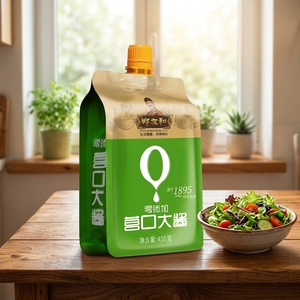
Global consumers increasingly reject artificial preservatives, synthetic colors, and E-numbers. Procurement is shifting toward naturally derived flavor boosters (such as autolyzed yeast extracts), naturally fermented sauce bases (like clean-label soybean paste), and plant-derived colorants (like beetroot betalain powders) that allow clean-label claims on retail packaging.
Raw unformulated active ingredients are rapidly being replaced by cyclodextrin-complexed, liposomal, or spray-dried encapsulated particles. Micro-encapsulation protects sensitive bio-actives through gastrointestinal transit, eliminates off-flavors, increases active shelf-life stability, and optimizes systemic absorption rates.
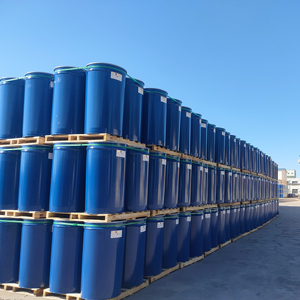
Multinational enterprise buyers now demand verified carbon footprint disclosures for raw material supplies. Leading Chinese manufacturers are investing in solar-assisted drying utilities, eco-friendly solvent extraction methods, and optimized drum packaging (such as recyclable 220L steel drums) to meet corporate Scope 3 sustainability targets.
To guard against supply chain disruptions, international buyers are pairing long-term commodity contracts with flexible Contract Research and Manufacturing Services (CRAMS). Factories capable of rapidly scaling pilot R&D batches into multi-ton production runs are outperforming traditional static suppliers.
Proven industrial infrastructure designed to streamline wholesale procurement, reduce formulation risks, and guarantee regulatory compliance.
Equipped with advanced pilot spray dryers, wet-granulators, and stability chambers. Our R&D scientists support custom particle sizing, solubility modifications, and proprietary blend development before full-scale commercialization.
Our testing labs operate under ISO 17025 standards, validating every batch with HPLC, GC-MS, and ICP-MS. We issue complete documentation packs covering potency, allergen presence, heavy metals, pesticide residues, and microbial safety.
From 1kg sealed aluminum foil bags for high-value actives (such as Kojic Acid or Alpha-Cyclodextrin) to 25kg multi-wall Kraft paper bags with PE liners and 220L aseptic steel drums, we accommodate all downstream processing requirements.
Our dedicated export documentation desk prepares custom HS code classifications, Free Sale Certificates, Certificates of Origin (Form E, Form F, RCEP), and packing declarations to ensure frictionless customs clearance worldwide.
Clear, direct technical and commercial answers to simplify your raw material sourcing workflow.
MOQs vary by ingredient classification. Standard commodity ingredients like Vital Wheat Gluten, Maltodextrin, and Tomato Paste drums typically start at 1 Metric Ton (or 1 full pallet). Specialty functional materials, such as Alpha-Cyclodextrin and Kojic Acid Powder, are available with flexible low MOQs starting at 1 kg for trial runs and sample evaluations.
Every production lot undergoes rigorous internal QC testing against validated pharmacopeial or food-grade monographs. We evaluate active content, heavy metals, residual solvents, pesticides, and micro-biology. Samples are retained from every batch for 36 months, and an official Certificate of Analysis (COA) is issued with every shipment.
Yes. Our facility houses high-speed pulverizers, air-classifier mills, and rotary drum blenders capable of producing custom mesh sizes (from coarse granules down to 200+ mesh micro-powders). We also formulate multi-component powder pre-blends under strict non-disclosure agreements (NDAs).
We provide comprehensive compliance packs including standard COA, SDS/MSDS (Safety Data Sheet), Allergen Declarations, Non-GMO Certificates, BSE/TSE-Free Statements, ISO/FSSC/FDA certificates, Halal/Kosher certificates, and Country of Origin documentation (Form E, RCEP, etc.).
Standard stock items ship within 3 to 7 working days. Custom synthesis, specialized enzymatic processing, or private label packaging runs typically require 14 to 21 days. Express air freight is available for urgent active raw material requirements.
We supply complimentary evaluation samples (typically 100g to 500g) for qualified corporate R&D teams and procurement officers. Contact our technical team to specify your required assays, grade, and destination address for fast air dispatch.
Connect directly with our senior technical procurement team. Request factory-direct pricing, custom batch specifications, regulatory dossiers, and free R&D evaluation samples today.