Explore our export-ready active raw materials, lipid carriers, and functional encapsulation bases manufactured under stringent GMP, US FDA, and FSSC 22000 quality standards.
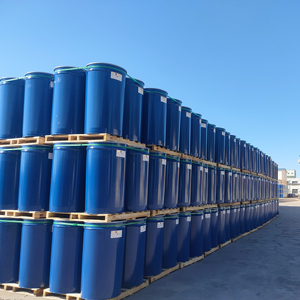
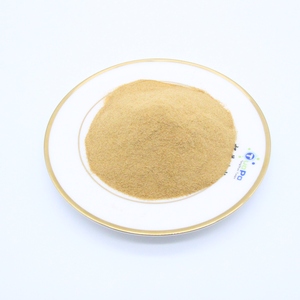
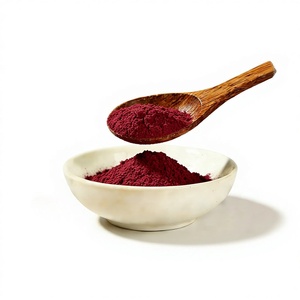
As an industry-leading contract research and manufacturing services (CRAMS) provider, our integrated production hubs deliver end-to-end reliability, audit-ready compliance, and scalable output for global pharmaceutical and nutraceutical brands.
Facilities certified under Intertek FSSC 22000, US FDA registration, cGMP, HACCP, ISO 22000, FSSAI, AYUSH, and Halal protocols. Every production run undergoes complete regulatory validation.
State-of-the-art continuous rotary die encapsulation technology ensures strict fill-weight uniformity, precise shell thickness, minimal leak rates (<0.01%), and optimal seam integrity.
Advanced analytical testing equipped with High-Performance Liquid Chromatography (HPLC), Gas Chromatography (GC-MS), atomic absorption spectrophotometry, and micro-cleanrooms.
Soft gelatin capsules (softgels) represent the premier oral dosage technology for lipophilic active pharmaceutical ingredients (APIs) and hydrophobic nutraceutical compounds. Unlike conventional tablets or hard capsules, softgels deliver bioactives in a pre-dissolved or solubilized liquid/suspension matrix, eliminating the rate-limiting dissolution step in the human gastrointestinal tract.
Our softgel shells utilize high-grade bovine, porcine, or fish gelatin calibrated to a precise Bloom strength of 150 to 200 Bloom. Plasticizers such as purified glycerin, sorbitol-sorbitan solutions, and non-crystallizing polyols are blended at exact ratios (0.4 to 0.8 plasticizer-to-gelatin ratio) to ensure optimal ribbon elasticity, rapid disintegration, and long-term physical stability without shell softening or embrittlement.
To capture growing plant-based and vegetarian consumer segments, our R&D hub has perfected non-animal softgel shell technology using modified tapioca starch and carrageenan matrices. These vegan shells offer superior thermal stability (withstanding storage temperatures up to 45°C), zero risk of cross-linking, and extended shelf life under tropical climatic zone IV conditions.
Global buyer preferences and regulatory frameworks are undergoing structural shifts. Brand owners and procurement leaders must align with these 4 strategic sourcing vectors to secure competitive market advantage.
International buyers demand fully traceable, sustainably harvested oil inputs. Procurement protocols require Marine Stewardship Council (MSC) or Friend of the Sea certification for fish oils, paired with RSPO-certified palm-free lecithin carriers. Documented supply chain transparency is no longer optional—it is a critical barrier to entry in tier-1 markets.
The market is rapidly shifting from single-active lipid suspensions toward complex multi-phase systems. Technologies such as Beadlet-in-Softgel and Liquid-Combo softgels allow incompatible ingredients (e.g., water-soluble B vitamins suspended in lipid Omega-3 oil) to co-exist in a single dosage form without cross-degradation.
Synthetic dyes like Titanium Dioxide (E171) are strictly banned across the European Union and restricted globally. Future-proof procurement requires natural colorants derived from chlorophyll, beetroot extract, riboflavin, and caramel, alongside organic glycerin plasticizers to preserve clean-label regulatory alignment.
Global brands are prioritizing OEM partners who provide complete Common Technical Document (CTD) dossiers, stability data across Climate Zone IVb (30°C / 75% RH), BSE/TSE-free certification, and allergen guarantees, reducing product launch cycles from 12 months down to 8 weeks.
The global dietary supplement softgel market is projected to reach $8.2 Billion by 2030, growing at a compound annual growth rate (CAGR) of 6.8%. Key drivers include rising consumer demand for high-potency bioactives, increased prevalence of vitamin D and Omega-3 deficiencies, and the physical superiority of softgels regarding swallowability and taste masking.
From an engineering perspective, modern softgel plants are integrating Smart Automation & Real-Time In-Line Inspection Systems. Laser vision systems inspect seam thickness, shape uniformity, and color consistency at speeds exceeding 100,000 capsules per hour. Advanced dehumidification drying tunnels utilize closed-loop heat pump drying (HPD) technology, reducing thermal stress on heat-sensitive actives while cutting energy consumption by 40%.
Connect directly with our senior formulation engineering and regulatory compliance team to request custom samples, technical dossiers, or pilot batch quotations.
Inquire NowDetailed technical, regulatory, and commercial responses tailored for procurement directors, product managers, and brand owners.
Get audit-ready compliance, competitive OEM pricing, and technical excellence on every batch.