Explore high-purity raw materials, botanical liquid extract bases, functional powders, and emulsified food ingredients manufactured under validated US FDA and FSSC 22000 quality standards.
Understanding the technological paradigms, bio-availability mechanics, and strict regulatory frameworks governing top-tier liquid extract factories worldwide.
The global nutraceutical and functional food industries are experiencing a fundamental shift in consumer ingestion preferences. Traditional solid dosage formats—such as compressed tablets and hard-shell gelatin capsules—frequently face physiological limitations including delayed gastric disintegration, variable intestinal absorption, and swallowing reluctance (dysphagia) across pediatric and geriatric demographics.
Consequently, high-purity liquid extracts, herbal tinctures, fluid concentrates, and liposomal oral liquids have emerged as the fastest-growing segment in modern contract manufacturing. Liquid extractions preserve volatile botanical compounds, thermo-sensitive polyphenols, and active alkaloids in readily soluble matrices. This technical whitepaper outlines the key operational, analytical, and compliance criteria required to select a top 10 liquid extracts manufacturer.
Selecting a manufacturing partner for liquid extracts requires rigorous validation of raw material traceability, phytochemical assay consistency, and solvent removal efficacy. Leading OEM facilities utilize advanced extraction techniques—including Subcritical Fluid Extraction, Supercritical CO2 Fractionation, and Ultrasonic-Assisted Enzymatic Maceration—to guarantee consistent active marker compound quantification.
With 38+ years of legacy since 1987, Zeon Lifesciences represents the operational pinnacle of nutraceutical contract research and manufacturing services (CRAMS), delivering high-volume oral liquid formulations globally.
Manufacturing facilities located at Rampur Ghat Road, Paonta Sahib (Himachal Pradesh) operating under strict cGMP, US FDA audit compliance, HACCP, ISO systems, and Intertek-certified FSSC 22000 standards.
Every batch undergoes quantitative analytical validation via High-Performance Liquid Chromatography (HPLC), Gas Chromatography (GC), UV-Vis Spectrophotometry, microbial limit testing, and real-time stability testing.
Fully certified for Ayurvedic traditional herbal preparations, phytopharmacological extracts, and Halal-compliant formulations for global regulatory approvals across North America, Europe, GCC, and SE Asia.
Comparative technical breakdown of industrial liquid extraction processes utilized by global contract manufacturers for botanical, nutritional, and food ingredient applications.
| Extraction Technology | Primary Solvents / Medium | Active Component Yield | Thermal Degradation Risk | Best Suited Botanical Matrix |
|---|---|---|---|---|
| Supercritical CO2 Extraction | Dense Phase Carbon Dioxide | 95% – 99% Pure Actives | Ultra Low (< 35°C) | Lipids, Essential Oils, Fat-Soluble Phytochemicals |
| Ultrasonic-Assisted Extraction (UAE) | Aqueous / Hydro-alcoholic | 88% – 94% Bio-actives | Low to Moderate | Polysaccharides, Flavonoids, Polyphenolic Concentrates |
| Enzymatic Digestion Extraction | Purified Water + Food-grade Enzymes | 85% – 92% Bio-available | Controlled (37°C – 50°C) | Plant Proteins, Yeast Extracts, Complex Carbohydrates |
| Hydro-Alcoholic Maceration | USP Ethanol / Deionized Water | 80% – 88% Standardized | Moderate | Traditional Ayurvedic Herbal Tinctures & Syrups |
| Cyclodextrin Molecular Encapsulation | Alpha/Beta Cyclodextrin Cavity | N/A (Stabilization Matrix) | Negligible | Hydrophobic Nutrients, Volatile Flavors, Liposomal Liquids |
Key technological, regulatory, and formulation vectors shaping the global procurement strategy for B2B supplement brands and food processing conglomerates over the next decade.
Global regulatory bodies (US FDA, EFSA) are continuously lowering acceptable residual solvent thresholds (PPM). Procurement departments are heavily prioritizing manufacturers utilizing solvent-free cold-pressed aqueous systems, enzymatic digestion, or green subcritical CO2 fluid processes to meet consumer demands for zero chemical residues.
Liquid extracts are increasingly being combined with cyclodextrin carriers (such as Alpha-Cyclodextrin) or phospholipid bilayers. Encapsulating volatile, light-sensitive, or hydrophobic nutrients dramatically enhances shelf-stability, masks bitter botanical notes, and optimizes gastrointestinal absorption rates.
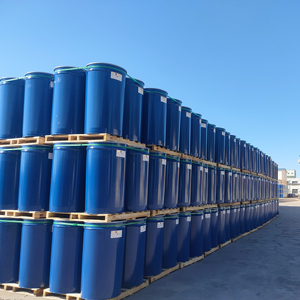
High-capacity B2B shipments are moving away from small plastic containers toward environmentally conscious, heavy-duty aseptic bulk packing—such as 220-liter steel drums with multi-layer nitrogen-purged aseptic liners—ensuring 24-month stability during multi-modal international freight shipping.
Before entering into a Contract Research and Manufacturing Services (CRAMS) contract with a liquid extracts factory, procurement auditors must verify five core operational competencies.
Verify that the factory performs analytical chromatographic profiling on incoming raw plant material and final liquid extracts. This ensures marker compound concentrations (e.g., total curcuminoids, ginsenosides, or polyphenols) remain within tight specification bands without seasonal variance.
Ensure the facility utilizes cleanroom-class filling lines (ISO Class 7/8 or Grade C/D) equipped with inline sterile filtration (0.22-micron membranes) and nitrogen flushing to prevent oxidation of delicate liquid phytochemicals.
Top 10 factories conduct rigorous Inductively Coupled Plasma Mass Spectrometry (ICP-MS) to confirm Lead, Arsenic, Cadmium, and Mercury levels remain far below regulatory thresholds specified by USP, EP, and FSSAI guidelines.
A reliable OEM manufacturer must provide full regulatory documentation—including Certificate of Analysis (COA), Stability Testing Data under ICH climatic zones, Certificate of Free Sale, Allergen Declarations, and BSE/TSE-Free Certificates.
In-depth technical answers addressing common questions raised by brand managers, quality assurance leads, and global supply chain directors.
A top-tier liquid extract factory is distinguished by US FDA registration, cGMP compliance, validated analytical testing facilities (HPLC, GC-MS, ICP-MS), robust annual production capacity (e.g., 70+ million units of oral liquids), transparent raw material traceability, in-house R&D for custom formulation, and comprehensive export documentation for international markets.
Modern contract manufacturers utilize advanced physiological carrier systems—such as vegetable glycerite bases, natural polyols, or cyclodextrin molecular encapsulation—alongside pH adjustment using organic acids. Combined with aseptic hot/cold filling and thermal pasteurization, these techniques eliminate the need for harsh synthetic chemical preservatives.
When produced in nitrogen-purged, light-blocking amber glass or high-density food-grade steel drums, standardized liquid extracts typically achieve a verified shelf life of 18 to 24 months under recommended storage conditions (cool, dry, ambient temperature protected from direct sunlight).
Yes. Contract research and manufacturing service (CRAMS) providers possess dedicated R&D scientists, flavorists, and regulatory experts who engineer custom organoleptic properties (taste, aroma, viscosity), conduct accelerated stability testing, and validate active ingredient potency for private label brands.
Consult with our technical R&D and contract manufacturing experts today. From custom formulation screening and stability testing to export-ready commercial scale packaging, we provide end-to-end support for leading international brands.