


1. Executive Summary & The Evolving Global Prenatal Nutrition Landscape
The global prenatal nutrition market has undergone a paradigm shift from basic multivitamin supplementation to highly specialized, bioavailable, and clean-label therapeutic formulations. Maternal healthcare providers, obstetricians, and modern D2C health brands require contract manufacturing partners capable of navigating complex biochemical stability requirements, stringent regulatory compliance, and multi-market distribution protocols.
Choosing the right prenatal nutrition factory is no longer merely an exercise in toll-manufacturing pricing. It demands an evaluation of a facility's R&D depth, analytical instrument capabilities (HPLC, GC-MS, dissolution testing), moisture-controlled cleanrooms, and mastery over next-generation active ingredients—such as active 4th generation folate (Quatrefolic / L-methylfolate), choline bitartrate, bioavailable iron chelates, and non-fish algae DHA.
Information Gain Insight: The Bioavailability Imperative in Prenatal Formulations
Up to 40% of the global female population possesses genetic polymorphism in the MTHFR (Methylenetetrahydrofolate Reductase) gene, rendering conventional synthetic folic acid inefficiently metabolized. Advanced contract manufacturing facilities must utilize 6(S)-5-methyltetrahydrofolate (L-Methylfolate) glucosamine salts to guarantee cellular absorption without requiring enzymatic conversion.
2. Enterprise Manufacturing Advantages & Infrastructure Excellence
Rooted in over 38 years of pharmaceutical and nutraceutical manufacturing legacy (with headquarters based in Sector 65, Noida and primary manufacturing operations running from dedicated state-of-the-art blocks at Rampur Ghat Road, Village Kunja, Paonta Sahib, Himachal Pradesh, India), modern contract research and manufacturing services (CRAMS) leverage vertically integrated facilities to serve over 60 export destinations worldwide.
Facility infrastructure plays a pivotal role in guaranteeing that delicate vitamins and active botanicals maintain 100% label claim throughout their shelf life. Key operational parameters implemented across top-tier manufacturing units include:
- Class 100,000 Cleanroom Processing: Controlled temperature (under 22°C) and low humidity (<35% RH) zones specifically engineered for hygroscopic powder handling and probiotic/prenatal blend encapsulation.
- Instrumented Quality Assurance: In-house analytical testing using High-Performance Liquid Chromatography (HPLC), Gas Chromatography (GC), Atomic Absorption Spectroscopy (AAS) for heavy metal testing, and real-time stability chambers operating per ICH guidelines (Zone IVb conditions).
- Turnkey Private Label Support: Dedicated regulatory documentation desks facilitating Free Sale Certificates (FSC), dossier compilation (ACTD/CTD formats), artwork compliance reviews under FDA/EFSA/FSSAI rules, and batch traceability.
3. Comparative Matrix: Standard vs. Advanced Prenatal Contract Manufacturing
To assist procurement managers, brand founders, and supply chain directors in evaluating prospective factory partners, the following comparative framework outlines the technical metrics dividing standard supplement factories from elite prenatal nutrition contract manufacturers.
| Evaluation Parameters | Conventional Supplement Factory | Top Trusted Prenatal Nutrition Factory |
|---|---|---|
| Folate Source & Stability | Synthetic Folic Acid (Requires MTHFR conversion) | Active 4th Gen L-Methylfolate (Direct bioavailability) |
| Iron Complexation | Ferrous Sulfate (Causes severe nausea & constipation) | Ferrous Bisglycinate Chelate (High absorption, gentle) |
| Environmental Controls | Standard ambient manufacturing space | Low-RH (<30%) & Temperature-Controlled Cleanrooms |
| Omega-3 DHA Delivery | Standard Fish Oil Softgels (High oxidation & burp-back) | Microencapsulated Algae DHA Powder or Odor-Masked Softgels |
| Regulatory Compliance | Basic Local License / Standard GMP | US FDA Registered, FSSC 22000, ISO 22000, AYUSH, Halal |
| Testing & Validation | Third-party spot checking | In-House HPLC, Micro-Lab, & Accelerated Stability Testing |
4. Future Procurement & Formulation Trends in Prenatal Health (2025–2030)
As consumer awareness expands, B2B procurement trends are pivoting toward clean-label claims, allergen-free excipients, and alternative dosage forms that accommodate morning sickness and sensory sensitivities during pregnancy.
A. Shift Toward Non-Synthetic & Organic Actives
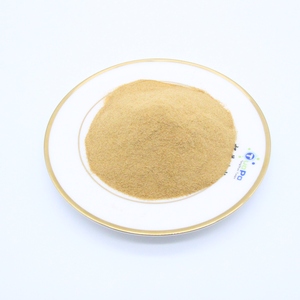
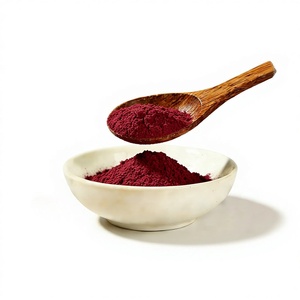
Brands are replacing synthetic carrier agents with organic maltodextrin, plant-derived beetroot powder (for natural color and endogenous nitrate/mineral support), and natural yeast extract complexes for organic B-vitamin delivery. Utilizing raw ingredients such as alpha-cyclodextrin enables factories to turn liquid lipophilic nutrients (like Vitamin D3, Vitamin E, and DHA) into free-flowing, stable powders suitable for tableting and sachet packing without chemical solvents.
B. Sensory-Friendly Dosage Innovation: Diskettes & Oral Liquids
While traditional tablets remain a cost-effective workhorse (with factory capacity exceeding 400 million units annually), consumer compliance issues during early pregnancy have driven demand for Nutritional Diskettes and Oral Liquids. Nutritional diskettes provide a protein-rich, chewable vehicle that can deliver macro- and micronutrients simultaneously, bypassing swallowing difficulties associated with large prenatal pills.
C. Synergistic Choline & DHA Blends for Fetal Neurodevelopment
Clinical literature has underscored the essential role of Choline in tandem with Folate for neural tube development and placental function. Modern manufacturing facilities are re-engineering blending equipment to accommodate high-dose Choline Bitartrate alongside Omega-3 DHA without causing powder clumping or stability breakdown.
5. Strategic Procurement Checklist for Overseas Brand Owners
When selecting a contract manufacturing partner in primary global production hubs like India, procurement officers must execute a systematic audit spanning five essential domains:
- 1. Active Ingredient Traceability: Ensure every batch of raw material is backed by qualified Supplier Qualification Protocols (SQP) and validated COAs.
- 2. Change-Control Discipline: Verify that no excipient or active source can be substituted without formal Engineering Change Notices (ECN) and stability re-validation.
- 3. Export Documentation Capabilities: Confirm the factory's export desk has proven experience delivering country-specific documentation—including Halal certification for GCC markets, Health Certificates, and Certificate of Free Sale.
- 4. Overages & Shelf-Life Science: Audit the scientific rationale behind micronutrient overages (especially for thermal-sensitive vitamins like Vitamin C and B12) to ensure 100% claim compliance at month 24.
- 5. Scalability Without Reformulation: Ensure pilot R&D batches run on production-representative equipment, permitting smooth scaling from launch quantities (50,000 units) to commercial runs (millions of units).