Explore our top-tier export-grade raw materials, functional carriers, and palatability enhancers engineered for livestock, aquaculture, and pet nutrition applications worldwide.

The global veterinary nutrition and animal feed additive sector is undergoing a profound structural shift driven by modern biosecurity mandates, strict regulatory overhauls across North America and the European Union, and escalating consumer demands for clean-label, antibiotic-free animal protein. As livestock integrators, commercial feed millers, and pet supplement brand owners seek reliable overseas partners, the role of a premier veterinary nutrition exporter has evolved from a simple commodity supplier into a high-level Contract Research and Manufacturing Services (CRAMS) partner. Leading exporters must maintain rigorous analytical validation, advanced micro-encapsulation technologies, absolute raw material traceability, and multi-jurisdictional compliance to thrive in today's competitive international landscape.
Modern animal health is no longer limited to basic caloric intake or crude protein ratios. Today's commercial veterinary formulations prioritize bio-available micro-nutrients, precise amino acid profiles, targeted gut microbiome modifiers, phytogenic bioactive compounds, and specialized functional carriers. Crucially, global supply chains require contract manufacturers capable of converting sensitive raw actives into highly stable, non-segregating, shelf-stable premixes, oral liquids, soluble powders, chewable diskettes, and encapsulated micro-pellets. This whitepaper evaluates the essential technical frameworks, manufacturing standards, and future purchasing vectors that global B2B buyers must evaluate when shortlisting a trusted veterinary nutrition manufacturing and export partner.
Key Market Insight: Strategic veterinary procurement is transitioning from raw price-per-kilogram purchasing to total cost-of-quality evaluation—prioritizing assay integrity, low heavy-metal thresholds, absence of cross-contamination, and audit-ready regulatory documentation.
To meet international compliance frameworks—including US FDA guidelines, FSSC 22000 food safety systems, GMP certification, and destination-market feed authority standards—leading exporters invest in specialized production blocks. Separating animal feed ingredients from synthetic pharmaceutical processing ensures absolute prevention of cross-contamination, particularly regarding veterinary antibiotics and ionophores.
Utilizing cyclic oligosaccharides such as Alpha-Cyclodextrin to shield volatile essential oils, fat-soluble vitamins, and sensitive lipids from oxidation during high-temperature pelleting.
Leveraging controlled-DE maltodextrin powders and vital wheat gluten matrices to ensure uniform distribution of micro-ingredients down to parts-per-million (PPM) concentrations.
Engineering specialized yeast hydrolysates rich in natural 5'-nucleotides and free glutamic acids to enhance feed intake during weaning stress and disease recovery.
Formulating veterinary premixes and companion animal supplements demands an in-depth understanding of biochemical stability, physical particle dynamics, and digestive bio-availability across diverse species (equine, bovine, swine, poultry, canine, and aquaculture). Below, we analyze the specific functionality of key functional ingredients and raw materials utilized by top-tier global exporters:
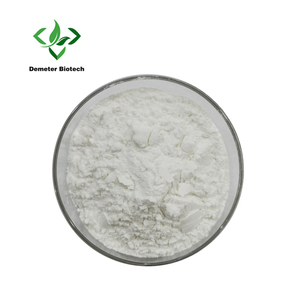
Fat-soluble nutrients such as Vitamin A, Vitamin D3, Vitamin E, Omega-3 fatty acids, and phytogenic essential oils (e.g., thymol, carvacrol, oregano extracts) are highly susceptible to oxidation, heat degradation, and moisture degradation during feed storage and steam-pelleting processing. By employing Alpha-Cyclodextrin host-guest inclusion complexes, exporters achieve a molecular-level protective shield around hydrophobic actives. This micro-encapsulation matrix prevents premature degradation, eliminates offensive odours, masks bitter active pharmaceutical ingredients (APIs), and guarantees targeted release within the animal's intestinal lumen.
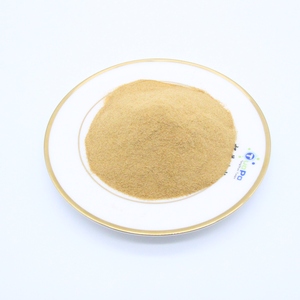
Autolyzed yeast extracts derived from Saccharomyces cerevisiae serve a dual purpose in high-performance veterinary formulations: palatability enhancement and immune modulation. Rich in beta-glucans, mannan-oligosaccharides (MOS), and free amino acids, top-grade yeast extract powders stimulate intestinal villi development, bind enteropathogenic bacteria (such as E. coli and Salmonella spp.), and significantly boost feed conversion ratios (FCR) in young ruminants and poultry broilers.
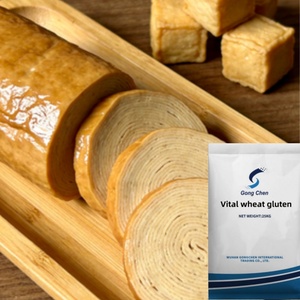
In aquaculture feed production and extruded pet food manufacturing, structural integrity in water and resistance to dust fines are critical quality metrics. Vital wheat gluten provides natural viscoelastic properties without synthetic chemical additives. Its complex protein structure acts as a natural binder, improving pellet durability index (PDI) while delivering an easily digestible, natural vegetable protein source containing essential amino acids such as glutamine and proline.
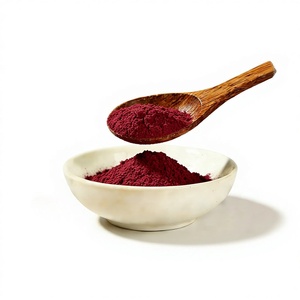
As global regulations restrict synthetic colorants and artificial chemical antioxidants (such as ethoxyquin, BHA, and BHT), natural plant-based ingredients have gained massive traction. Concentrated natural extracts provide stable betalains, lycopene, and polyphenols. These natural phytochemicals neutralize free radicals, reduce systemic oxidative stress in livestock during heat stress conditions, and improve physiological pigmentation in egg yolks, poultry skin, and aquaculture species.
| Ingredient Category | Primary Physiological Function | Processing & Handling Standard | Target Animal Species |
|---|---|---|---|
| Alpha-Cyclodextrin Complex | Enzymatic protection of fat-soluble vitamins & lipids | Low-temperature spray drying, hermetic moisture barrier packaging | Ruminants, Swine, Equine, Canines |
| Hydrolyzed Yeast Extract | Gut immunity, MOS pathogen binding, palatability enhancement | Controlled enzymatic autolysis, standardized nucleotide assay | Poultry, Aquaculture, Weanling Pigs, Pets |
| Vital Wheat Gluten (Bulk) | Aqua-feed binding, pellet durability, protein fortifier | Granular mesh-controlled milling, low-moisture storage | Shrimp, Fish, Extruded Kibble |
| Maltodextrin Carrier Matrix | Uniform dispersion of low-dose micronutrients & probiotics | Controlled DE ratio (10-15), agglomerated non-dusting powder | Pre-mixes, Water-Soluble Sachets |
| Phytogenic Powders (Beetroot/Lycopene) | Natural cellular antioxidant, immune modulation | Dehydration below 5% water activity, UV-shielded drum packaging | Poultry, Layers, Specialty Pets |
In international veterinary procurement, vendor credibility is established through strict adherence to international quality management systems and transparent audit documentation. Facilities operating under US FDA registration, FSSC 22000 (certified by international registrar bodies like Intertek), ISO 22000, HACCP, and cGMP provide overseas importers with absolute peace of mind regarding batch-to-batch consistency and regulatory compliance.
An audit-ready veterinary nutrition exporter maintains comprehensive quality control laboratories equipped with high-performance liquid chromatography (HPLC), gas chromatography (GC), atomic absorption spectroscopy (AAS) for heavy metal screening, dissolution apparatus, and dedicated microbiology testing units. Retained samples from every commercial production batch are maintained under controlled environmental conditions throughout the stated product shelf life to support post-market surveillance and client stability verifications.
Regulatory Compliance Assurance: Standard export documentation packs include Certificate of Analysis (COA), Certificate of Free Sale (CFS), Non-GMO Declarations, Heavy Metal & Pesticide Residue Analysis, BSE/TSE-Free Statements, and Country-Specific Label Compliance Assistance.
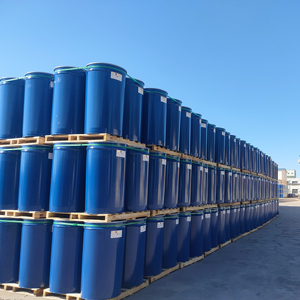
Top-tier contract manufacturing campuses accommodate diverse commercial packaging formats tailored to local distribution channels—ranging from 25kg multi-wall paper bags with PE liners for commercial feed mills, down to private-label consumer packaging such as blister packs, high-density polyethylene (HDPE) bottles, foil sachets, oral liquid dosing bottles, and nutritional chewable diskettes.
Procurement directors and animal health brand owners must anticipate future industry shifts to build resilient supply chains. The following strategic trends are reshaping global sourcing for veterinary nutrition and feed additives over the coming decade:
Legislative bans on prophylactic antibiotic use in livestock feed have accelerated the demand for natural gut health alternatives. Procurement strategies now prioritize organic acidifiers, short-chain fatty acids (such as sodium butyrate), prebiotic oligosaccharides, and botanical phytogenics. Exporters capable of formulating stable multi-component gut-health premixes will dominate international market share.
The pet supplement industry is mirror-imaging human nutraceutical trends. Pet owners increasingly demand clinical-grade joint health actives (glucosamine, chondroitin, hyaluronic acid), probiotic strains with verified CFU counts at end-of-shelf-life, cognitive health lipids, and dermatological skin-coat formulations. Contract manufacturers with established human nutraceutical lines (such as tablet, capsule, and diskette machinery) are uniquely equipped to deliver human-grade pet supplements under strict cGMP protocols.
Environmental compliance and scope 3 carbon emission accounting are becoming integral to vendor selection criteria among major multinational feed corporations. Sustainable plant-based proteins, upcycled fermentation co-products, and circular economy raw materials are rapidly gaining favor over ecologically intensive marine protein meals.
Modern poultry and swine integration relies heavily on automated drinking water medication and nutritional supplementation systems. Consequently, demand is surging for 100% cold-water-soluble nutritional powders that leave zero insoluble sediment, preventing clogged watering lines while ensuring uniform mass-medication delivery across large livestock houses.
Elevate your product portfolio with validated formulation science, global regulatory compliance, and state-of-the-art contract manufacturing infrastructure. Request our complete product catalog and corporate dossier today.