High-purity ingredients manufactured under stringent FDA, FSSC 22000, and cGMP standards for dietary supplements, functional foods, and cosmeceuticals.
The Greater Seattle region—spanning King County, Snohomish County, and the broader Puget Sound bio-corridor—has emerged as a premier epicentre for global biopharmaceutical innovation, clean-label nutraceutical engineering, and wellness product design. As consumer demand transitions decisively toward verifiable, plant-derived bioactive compounds, local health and wellness brands require supply chain transparency, scientifically validated extraction metrics, and rapid local technical support.
As a leading botanical extracts manufacturer & factory serving Seattle, our infrastructure addresses a critical market gap: delivering batch-to-batch analytical standardization, ultra-low solvent residue guarantees, and contract manufacturing scalability tailored to Washington State’s rigorous quality standards. Phytochemical processing has evolved beyond simple decoction into sophisticated fractionated isolation, molecular distillation, and supercritical fluid extraction (SFE). This whitepaper details the engineering methodologies, analytical protocols, and localized supply strategies governing commercial plant extract procurement across the Pacific Northwest.
Information Gain Key Metric: Traditional solvent extraction often leaves trace hydrocarbons exceeding 50 ppm. Advanced Supercritical CO2 and hydro-enzymatic extraction processes achieve < 0.5 ppm residual solvent levels while preserving thermolabile secondary metabolites like polyphenols, flavonoids, and triterpenoids.
To yield standardized botanical extracts suitable for medical nutrition, dietary supplements, and specialized cosmeceuticals, processing facilities must employ precise unit operations. Phytochemical stability depends entirely on thermal management, pH control, particle size optimization, and solvent selection.
Utilizing carbon dioxide at temperatures above 31.1°C and pressures above 73.9 bar. CO2 behaves as a dense solvent, isolating lipophilic compounds without exposing extracts to high temperatures or organic solvents. Ideal for essential oils, cannabinoids, and carotenoids.
Acoustic cavitation disrupts plant cell walls (cellulose and lignin microfibrils), accelerating solvent penetration and mass transfer. Reduces extraction times by up to 70% while maximizing polyphenol and polysaccharide yields.
Cross-flow ceramic membrane ultra-filtration and nano-filtration allow precise molecular weight cut-offs (MWCO). This enables non-thermal concentration, removing heavy salts while isolating targeted peptide or flavonoid fractions.
Our raw material qualification process incorporates validated High-Performance Liquid Chromatography (HPLC), Gas Chromatography-Mass Spectrometry (GC-MS), and Atomic Absorption Spectroscopy (AAS) to ensure complete safety and active marker standardization.
| Parameter Category | Testing Methodology | Industrial Standard / Specification | Compliance Relevance (Seattle & US Market) |
|---|---|---|---|
| Active Marker Quantification | HPLC / UV-Vis Spectrophotometry | Standardized to exact % (e.g., 50% Polysaccharides, 98% Kojic Acid) | Verifies label claims and therapeutic efficacy for FDA dietary supplement compliance. |
| Heavy Metal Limits | ICP-MS (Inductively Coupled Plasma) | Pb < 0.5 ppm, As < 0.5 ppm, Cd < 0.2 ppm, Hg < 0.1 ppm | Exceeds USP <2232> standards and Washington State environmental toxicology limits. |
| Pesticide Residue Screen | LC-MS/MS & GC-MS/MS | 500+ Multi-residue pesticide screen (ND / Below LoQ) | Mandatory for Clean-Label and USDA Organic certification verification. |
| Microbiological Safety | USP <2021> / <2022> Microbial Enumeration | TAMC < 1,000 CFU/g, TYMC < 100 CFU/g, E. coli & Salmonella: Negative | Ensures safety in high-moisture functional beverages and unheated meal replacements. |
| Bulk Density & Particle Size | Sieve Analysis & Tap Density Testers | 80 Mesh to 200 Mesh powder size, uniform flowability | Optimized for rapid encapsulation, tablet compression, and instant beverage dissolution. |
Seattle’s unique economic profile—combining a booming D2C e-commerce ecosystem, tech-focused health conscious consumer base, and legendary craft food & beverage tradition—creates specific commercial application demands for botanical raw materials.
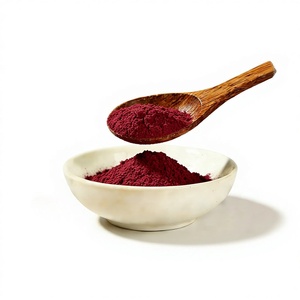
Seattle's beverage innovators are blending adaptogenic botanical extracts (such as Ashwagandha, Lion's Mane, and Red Beetroot Powder) into sparkling cold brews, kombuchas, and non-alcoholic aperitifs. Water-soluble, cold-process stable extracts prevent sedimentation and preserve clear clarity in transparent glass bottling.
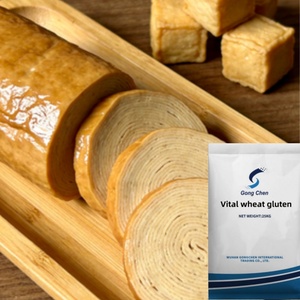
With an active regional population participating in mountain athletics and maritime sports, Pacific Northwest supplement brands heavily formulate plant-based pre-workouts and endurance powders. Ingredients like Vital Wheat Gluten and Alpha Cyclodextrin encapsulate fat-soluble nutrients for instant dissolution in shaker cups.
Indie skincare and cosmetic laboratories in Puget Sound rely on bio-active skin brighteners and antioxidants. Bulk Kojic Acid powder, natural alpha-arbutin, and botanical polyphenol powders are integrated into topical serums designed under clean-cosmetic guidelines free of synthetic parabens and sulfates.
Seattle's plant-forward culinary sector utilizes bulk food ingredients such as non-GMO Maltodextrin, high-assay Yeast Extract powders, and vegetable protein matrices to create clean-label umami profiles and optimal texture in vegan baked goods and meat alternatives.
Market intelligence indicates three core shifts in the Seattle and West Coast manufacturing landscape:
Pacific Northwest consumers demand rigorous supply chain auditability. Buyers want to inspect Certificate of Analyses (COA) detailing geographical botanical origin, harvest season, and exact solvent profiles. Transparency is no longer a marketing option; it is a prerequisite for retail distribution.
Raw phytocompounds often exhibit low intestinal absorption and high bitter-flavor impact. The adoption of cyclodextrin complexation and liposomal carrier systems allows regional formulators to mask unpleasant botanicals while increasing bio-absorption up to 5-fold.
Given the humidity and marine climate considerations of the Pacific Northwest, botanical extract storage requires strict climate-controlled warehousing (RH < 45%, temp < 20°C) to eliminate hygroscopic clumping and degradation of thermolabile bio-actives.
Leveraging over 38 years of institutional formulation and plant extraction heritage, our global manufacturing ecosystem delivers enterprise-grade capabilities tailored to North American supplement brands and food processors.
Facilities operate under US FDA registration, Intertek-certified FSSC 22000, cGMP, HACCP, ISO 22000, FSSAI, AYUSH, and Halal certifications. Every batch is backed by audit-ready regulatory dossiers.
Annual output capacities across five specialized platforms: 400 Million Tablets & Caplets, 140 Million Hard-Shell/Soft Capsules, 100 Million Nutritional Diskettes, 70 Million Oral Liquid units, and 35,000 Metric Tons of Powders.
Our in-house R&D team of pharmaceutical scientists, food technologists, and phytochemists offer complete Contract Research and Manufacturing Services (CRAMS), pilot scale-up, and custom formulation development without re-engineering risk.
Direct technical and operational answers for raw material buyers, QA directors, and contract manufacturing procurement leads in Washington State.
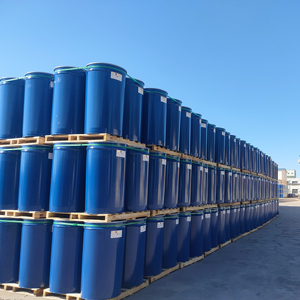
Standard catalog raw materials (such as standard Kojic Acid powder or Maltodextrin) carry an MOQ as low as 1kg to 25kg fiber drums. For custom spray-dried botanical extractions, custom solvent ratios, or proprietary ratio blends, our pilot-scale production runs start at 100kg, scaling up to multi-metric ton commercial orders.
We provide comprehensive DDP (Delivered Duty Paid) or FOB shipping services. Our dedicated international regulatory compliance desk prepares complete import documentation—including US FDA prior notices, Master Files, Certificates of Analysis (COA), Safety Data Sheets (SDS), Non-GMO statements, and Allergen Declarations—ensuring zero customs clearance delays at Pacific Northwest ports of entry.
Yes. By submitting a reference sample or specification target, our analytical testing laboratory conducts HPLC bio-active fingerprinting, particle size measurement, and sensory evaluation. We can reverse-engineer or match active constituent concentration percentages (e.g., specific ginsenosides, polyphenols, or organic acid profiles) to meet your exact label claims.
Absolutely. All botanical batches destined for the US market undergo strict microbial control via steam sterilization or controlled atmospheric processing. We guarantee zero Ethylene Oxide (EtO) residue and zero exposure to ionizing radiation, fully complying with clean-label organic standards.
Accelerated and real-time stability studies are conducted in accordance with ICH guidelines (30°C/65% RH and 40°C/75% RH). Re-test dates, degradation kinetics, and optimal storage condition guidelines are provided with every technical dossier.
Yes. Through our integrated CRAMS program, we convert raw botanical powders into finished, consumer-ready dosage forms—including hard-shell capsules, compressed tablets, oral liquid drops, effervescent powders, and stick sachets—packaged in bottles, blisters, or bulk drums under your brand artwork.
Incorporating natural botanical powders into modern commercial manufacturing requires managing physical and chemical challenges:
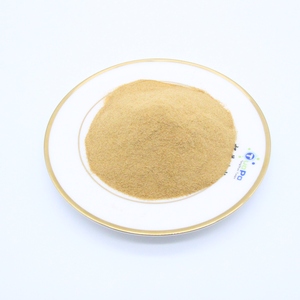
Many fruit and herbal extracts contain high natural sugar concentrations (fructose/glucose), making them deliquescent in humid environments. We utilize micro-encapsulation techniques and natural drying carriers (such as organic tapioca maltodextrin or acacia gum) to ensure free-flowing, non-clumping handling on high-speed filling lines.
High-polyphenol botanical extracts frequently exhibit bitter or astringent notes. Through particle coating, cyclodextrin complexation, and natural flavor-modulating yeast extract technology, our formulation scientists neutralize off-notes without compromising active biological efficacy.
Connect directly with our technical team to request sample kits, custom extraction quotes, Certificate of Analysis verification, or complete OEM contract manufacturing consultations for Seattle and North American markets.
Inquire Now