An authoritative technical brief on raw material sourcing, functional property optimization, and import compliance for Nigerian fast-moving consumer goods (FMCG) producers.
Addressing supply chain resilience, batch consistency, and regional regulatory compliance.
Formulated specifically to withstand West Africa's high ambient heat and humidity during transit and warehouse storage, preventing caking and lipid oxidation.
Comprehensive regulatory support including Certificates of Analysis (COA), GMP compliance files, Halal certifications, and full batch traceability for seamless customs release.
From 220L steel aseptic drums for tomato concentrate to multi-wall moisture-barrier Kraft bags for hygroscopic powders, ensuring zero product loss at Lagos ports.
Nigeria represents the largest consumer market in Africa, driven by a population exceeding 220 million people and a rapidly expanding urban food and personal care processing sector. Major industrial corridors across Lagos State (Ikeja, Agbara), Ogun State (Ota, Sagamu), Kano State, and Anambra State (Aba manufacturing hub) are experiencing unprecedented structural shifts. The Federal Government of Nigeria's (FGN) focus on backward integration, local value addition, and import substitution has challenged food processors, beverage bottlers, and cosmetic compounders to secure reliable, high-grade bulk raw materials from verified international manufacturing partners.
Operating within the Nigerian manufacturing ecosystem requires a deep understanding of unique supply chain logistics, foreign exchange (FX) mechanisms like Form M and Letters of Credit (LC), port clearance procedures at Apapa and Tincan Island Ports, and stringent regulatory oversight by the National Agency for Food and Drug Administration and Control (NAFDAC) alongside the Standards Organisation of Nigeria (SONCAP). To maintain competitive margins amidst inflationary pressures, local factories must partner with global bulk ingredient manufacturers capable of providing high functional efficiency, consistent batch-to-batch purity, and optimized freight logistics.
Procurement directors and R&D managers in Nigeria do not merely search for standard ingredients; they seek localized industrial stability data, formulation performance metrics under tropical storage, and fully compliant export documentation that eliminates port demurrages.
To support advanced food engineering, functional beverage formulation, and high-performance dermatological manufacturing, the following eight core ingredients have been engineered for maximum performance within West African industrial applications.
| Ingredient Name | Primary Grade / Format | Key Functional Parameter | Primary Nigerian Application |
|---|---|---|---|
| Vital Wheat Gluten | Food Grade Powder (80% Protein) | Water Absorption & Viscoelasticity | High-Volume Bread, Instant Noodles, Swallow Flour Boosters |
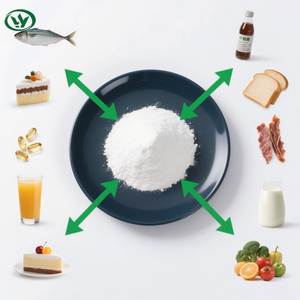
| Alpha Cyclodextrin | Pharmaceutical / Food Grade | Molecular Encapsulation & Emulsification | Nutraceutical Powders, Flavor Stabilization, Fat Binding |
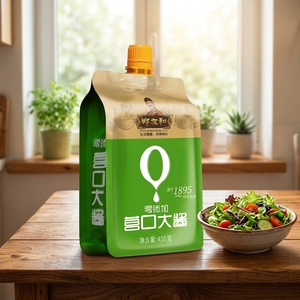
| Yingkou Soybean Paste | Industrial Fermented Bulk Paste | Umami Depth & Amino Acid Base | Commercial Dipping Sauces, Catering Premixes, Marinades |
| Organic Tomato Paste | 220L Steel Drum (28-30% Brix) | Lycopene Retention & Viscosity | Sachet Tomato Packaging, Ready-to-Eat Jollof Sauce Bases |
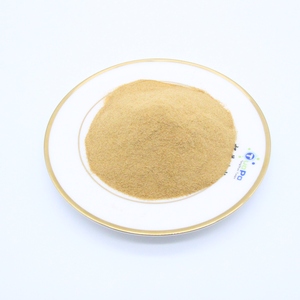
| Yeast Extract Powder | Natural Savory Extract (MSG-Replacer) | Nucleotide & Glutamic Acid Richness | Bouillon Cube Manufacturing, Instant Noodle Seasonings |
| Maltodextrin Powder | DE 10-15 & DE 15-20 Powder | Solubility & Carrier Matrix | Sachet Powdered Beverages, Dairy Whitener, Pill Binder |
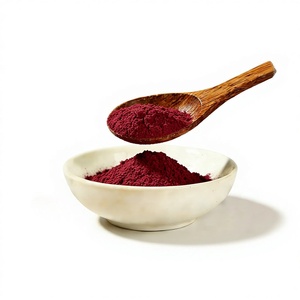
| Red Beetroot Powder | Dehydrated Spray-Dried Powder | Natural Betalain Pigmentation | Nutraceutical Meal Replacements, Clean-Label Juices |
| Kojic Acid Powder | Cosmetic Grade (>99% Purity) | Tyrosinase Inhibition / Skin Brightening | Brightening Creams, Soaps (Kojic Bar), Dermatological Serums |
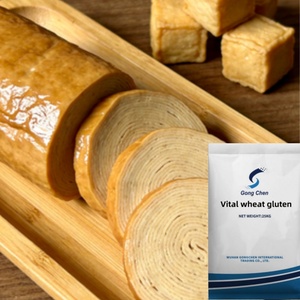
Vital Wheat Gluten is a natural vegetable protein derived from high-quality wheat flour through physical extraction, containing a minimum protein content of 80% (N×6.25) on a dry basis. In the Nigerian baking sector, flour millers and commercial bakeries encounter variable wheat gluten quality due to shifting global wheat import origin mixes. Incorporating bulk Vital Wheat Gluten at inclusion rates of 1.0% to 3.0% substantially enhances dough extensibility, gas retention, and structural loaf volume. This is essential for producing soft, sandwich-style bread (such as Agege-style bread formulations) and instant noodles where high mechanical shear during extrusion requires strong viscoelastic protein networks.
Alpha Cyclodextrin is a cyclic oligosaccharide composed of six glucose units linked by alpha-1,4 bonds, creating a hydrophobic central cavity and a hydrophilic outer surface. In functional food and supplement processing, it acts as a molecular micro-encapsulation host for lipophilic active compounds, essential oils, and volatile aroma chemicals. In Nigeria's expanding powdered beverage and nutritional sachet market, Alpha Cyclodextrin masks off-tastes from botanical extracts and vitamins while increasing the bio-accessibility of fat-soluble vitamins (A, D, E, K) in water-soluble delivery formats without requiring artificial emulsifiers.
Manufactured through long-term natural fermentation of non-GMO soybeans, this bulk paste delivers naturally occurring L-glutamate and complex organic acids. As Nigerian urban consumers increasingly request "clean label" products free from synthetic MSG or artificial colorants, commercial food processors utilize bulk soybean paste as an authentic savory foundation for commercial dipping sauces, industrial marinades, and canned stews.
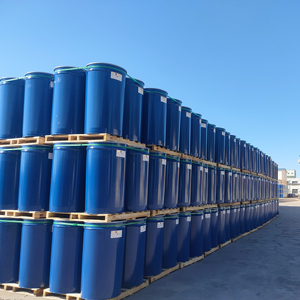
Tomato stew and Jollof rice are staple elements of the West African diet, consuming thousands of metric tons of tomato paste monthly. Our 220L aseptic steel drum packaging (28-30% Brix, Bostwick viscosity 4-7 cm/30 sec at 12.5% Brix) is specifically engineered for Nigerian re-packers and food processing plants. The cold-break process preserves natural red lycopene pigment and fresh flavor profiles, while the triple-laminated aseptic liner ensures a 24-month shelf life under ambient tropical temperatures prior to opening.
Yeast extract is produced via enzymatic autolysis of primary food-grade yeast, yielding a rich blend of natural free amino acids, peptides, and 5'-nucleotides (IMP and GMP). In the Nigerian seasoning industry—where bouillon cube production dominates the savory landscape—yeast extract powder serves as a high-potency flavor enhancer. It amplifies savory perception, improves mouthfeel, and allows manufacturers to lower sodium content while retaining intense chicken and beef flavor signatures desired by West African consumers.
Obtained by controlled enzymatic hydrolysis of non-GMO starch, Maltodextrin (Dextrose Equivalent 10-20) exhibits fast cold-water dispersion, low hygroscopicity, and neutral taste. In Nigerian powdered beverage factories, it acts as a spray-drying carrier for cocoa, malt drinks, and herbal tea extracts. Furthermore, its smooth viscosity control makes it an ideal filler for pharmaceutical tablet compression and infant nutrition blends.
Derived from premium Beta vulgaris roots using low-temperature dehydration, this powder provides vibrant natural red-purple coloring due to its standardized betalain content. With regulatory scrutiny tightening around synthetic food dyes (such as Allura Red or Ponceau 4R), Nigerian beverage manufacturers use red beetroot powder as a natural colorant in solid sachet drinks, sports nutrition shakes, and functional meal replacement products.
Kojic acid (5-hydroxy-2-hydroxymethyl-4-pyrone) is a natural fungal metabolite renowned for inhibiting tyrosinase, the key enzyme responsible for melanin synthesis. In the West African personal care market, hyperpigmentation and sun-exposure management drive immense demand for safe, highly effective skin-brightening formulations. Formulating with cosmetic-grade Kojic Acid Powder (>99% purity assayed by HPLC) enables local cosmetic factories to manufacture premium dermatological soaps, brightening lotions, and hyperpigmentation serums that meet NAFDAC cosmetic safety guidelines.
To successfully market and convert bulk ingredients within Nigeria, international manufacturers must align product chemistry with regional consumer culinary traditions and industrial processing realities.
In major milling centers like Lagos, Port Harcourt, and Kano, wheat flour performance fluctuates according to seasonal grain shipments. By integrating high-purity Vital Wheat Gluten into local milling lines, flour producers ensure consistent falling numbers, wet gluten content (>30%), and gluten index scores. For instant noodle manufacturing lines, adding 1.5% Vital Wheat Gluten reduces oil absorption during deep-frying stages, resulting in firmer noodle strands that do not break during transportation across rough regional road networks.
West Africa's seasoning market relies heavily on single-serve bouillon cubes and sachets. Facing rising costs for imported monosodium glutamate (MSG) and imported meat extracts, regional spice formulators blend Yeast Extract Powder with natural spices (such as ginger, garlic, and African nutmeg). This synergistic combination yields an authentic, rich savory background while meeting consumer demand for clean-label, lower-sodium cooking aids.
Due to high post-harvest losses in domestic fresh tomato farming, Nigerian processors import 220L aseptic drums of Concentrated Tomato Paste to feed modern high-speed pouch-filling lines in Ogun State. Utilizing automated drumming lines with hot-break tomato paste ensures that re-packaged 70g and 400g tomato sachets maintain structural thickness and vibrant red hue even after high-temperature thermal sterilization.
Nigeria's cosmetics sector is one of the fastest-growing in Sub-Saharan Africa. Local cosmetic laboratories in Lagos and Abuja specialize in formulating Kojic Acid soaps and body lotions. Given that Kojic Acid can oxidize in warm conditions, our bulk supply is protected via double-layer anti-static vacuum foil bags, allowing local formulators to achieve stable chelating effects and maximum anti-tyrosinase activity in finished skincare products.
Transporting raw industrial ingredients across tropical ocean routes requires specialized protective measures against thermal degradation, humidity ingress, and port delay risks.
Utilizing high-barrier desiccants, double-wall corrugated outer cartons, and aluminum-foil liners to prevent moisture absorption in high relative humidity (RH > 85%) maritime transit.
Every shipment is accompanied by a batch-specific Certificate of Analysis (COA), ISO/FSSC 22000 certificates, Halal verification, Heavy Metal testing, and Microbiological clearance reports.
We work directly with Nigerian importers to issue pre-shipment inspection documents, enabling swift SONCAP certification and frictionless customs clearance at West African ports.
Leveraging over 38 years of precision formulation experience and contract research capabilities, our manufacturing facilities operate under US FDA registration, FSSC 22000 (Intertek certified), ISO systems, and strict GMP protocols. Our production campus integrates automated granulation, micro-powder micronization, aseptic liquid filling, and spray-drying towers designed to process over 35,000 MT of nutritional powders and 850 commercialized SKUs globally.
Quality control is maintained via internal analytical laboratories equipped with High-Performance Liquid Chromatography (HPLC), Gas Chromatography (GC), Atomic Absorption Spectrophotometry (AAS), and full microbiological testing panels. From raw material vendor qualification to final container loading, every batch undergoes multi-point verification to ensure that international buyers receive ingredients meeting strict pharmaceutical and food-grade standards.
Connect directly with our international technical sales team to request custom specifications, sample kits, or volume contract pricing.