The Kingdom of Saudi Arabia (KSA) is undergoing an unprecedented economic and industrial modernization under the framework of Vision 2030. Driven by the National Industrial Development and Logistics Program (NIDLP) and rigorous oversight by the Saudi Food and Drug Authority (SFDA), local manufacturing enterprises, pharmaceutical distributors, and food processors are rapidly shifting toward domestic production, supply chain resilience, and clean-label ingredient compliance.
As a leading international Contract Research and Manufacturing Services (CRAMS) factory and bulk supplier, our operational infrastructure bridges the gap between scientific formulation feasibility and commercial-scale manufacturing for Saudi brand owners. Contracting with a US FDA-registered, FSSC 22000-certified facility allows Middle Eastern enterprises to mitigate capital expenditure, accelerate product time-to-market, and ensure absolute regulatory compliance across every dosage form—including tablets, capsules, functional powder premixes, oral liquids, and specialized food additives.
Information Gain for Procurement Executives: Modern sourcing in the Gulf Cooperation Council (GCC) market requires more than standard commodity importing. It demands verified ingredient origin, robust analytical dossiers (HPLC/GC batch COAs), thermal stability validation under extreme Middle Eastern environmental conditions, and flawless Halal certification accredited by recognized global Halal bodies compatible with Saudi Arabia’s strict import protocols.


Industrial buyers and formulation chemists operating within Riyadh, Jeddah, Dammam, and Rabigh encounter distinct technical and environmental challenges. Below are five core application scenarios where our bulk raw materials and custom OEM/ODM manufacturing capabilities deliver superior functional performance:
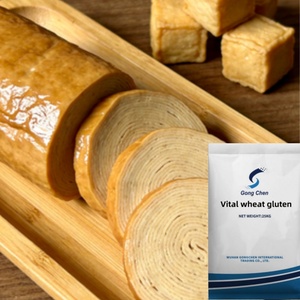
Commercial bakeries in Riyadh and Jeddah require uniform gluten strength to withstand automated high-speed mixing and ambient humidity control. Supplying high-purity Vital Wheat Gluten enables flour mills to standardize protein parameters across variable wheat imports, ensuring optimal dough elasticity, gas retention, and volume expansion in traditional Arabic flatbreads, khubz, and European-style pastries.
Middle Eastern supply chains face extreme ambient summer temperatures during transit and storage. Utilizing Alpha Cyclodextrin and specialized Maltodextrin DE 10-20 allows beverage formulators to molecularly microencapsulate heat-sensitive lipophilic vitamins, omega fatty acids, and volatile botanical flavors, preventing thermal degradation and sediment precipitation in ready-to-mix hydration powders.
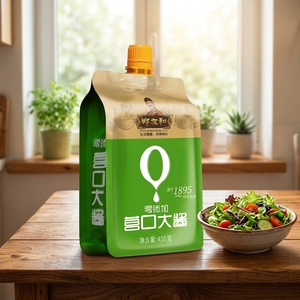
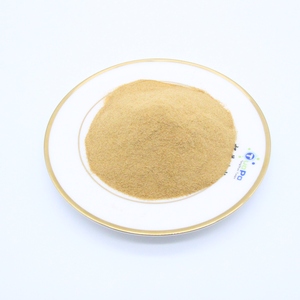
With strict prohibition of non-Halal animal derivatives and MSG bans in health-conscious consumer segments, sauce manufacturers in Dammam rely on autolyzed Yeast Extract Powder (Beef and Chicken natural profiles) combined with Clean Label Soybean Paste. This delivers high naturally occurring glutamic acid and 5'-nucleotides for rich mouthfeel in canned stews, rice seasonings, and dipping sauces.
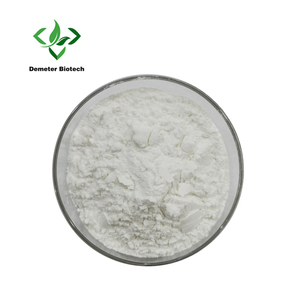
High solar ultraviolet exposure in KSA drives intense consumer demand for topical dermatological products targeting hyperpigmentation, melasma, and sunspots. Our high-purity (99.0%+) bulk Kojic Acid Powder is incorporated by cosmetic compounding laboratories into stable emulsion creams, brightening serums, and body lotions under stringent microbial limits.
From anti-diabetic dietary supplements to high-potency multivitamins and AYUSH herbal extracts, our CRAMS facility manufactures turnkey tablets, caplets, diskettes, and sachets. Utilizing specialized low-humidity encapsulation environments (under 20% RH), probiotic strain counts (CFU) are fully preserved across extended sea freight transport to Gulf ports.
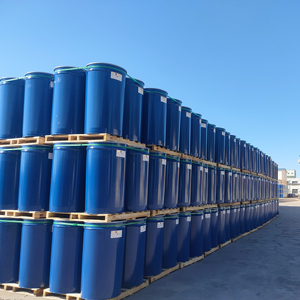
Industrial food processors utilizing 220L Steel Drum Tomato Paste (28-30% Brix) benefit from hot-break technology yielding high Bostwick consistency. This enables local re-packers to formulate retail ketchup bottles, foodservice pouches, and regional tomato sauces with guaranteed microbiological sterility.
Procurement directors and brand strategists operating within the Gulf region must align their sourcing decisions with three primary market transformations currently reshaping the Middle Eastern food and healthcare landscape:
1. Absolute Halal Integrity & SFDA Traceability: The Saudi Food and Drug Authority has tightened regulations regarding raw material origin, heavy metals, pesticide residues, and Halal authentication. Ingredients such as yeast extracts, gelatin substitutes, and emulsifiers must possess verifiable Halal documentation issued by recognized international accreditation bodies. Our factory maintains complete batch-level supply chain transparency, providing raw material Certificate of Analysis (COA) records, allergen statements, and non-GMO affidavits with every shipment.
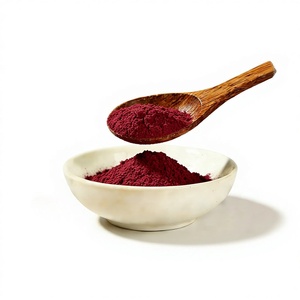
2. Growth of Clean-Label & Functional Superfoods: Saudi consumers are increasingly rejecting artificial synthetic dyes, high-fructose corn syrup, and chemical preservatives. Natural botanical colorants like spray-dried Red Beetroot Powder (supplying natural betalains and inorganic nitrates) are rapidly replacing artificial azo-dyes (e.g., Allura Red) in sports hydration drinks, confectionery, and functional dairy formulations.
3. Localization of Private Label Supplements: Retail pharmacy chains, D2C wellness brands, and hospital networks in KSA are building custom private-label supplement lines. By outsourcing contract manufacturing to our established infrastructure (holding dedicated blocks for tablets, hard capsules, softgels, powders, and diskettes), Saudi enterprises eliminate cleanroom capital costs while acquiring turnkey products with custom branding, shelf-life stability testing, and complete SFDA dossier validation.
Backed by over 38 years of pharmaceutical and nutraceutical manufacturing experience, our state-of-the-art facility operates under validated Good Manufacturing Practices (GMP) and advanced analytical testing suites. We support global clients across 60+ countries with complete contract research and manufacturing services.
Inspected production premises operating under stringent federal safety, sanitation, and validation standards for international food and supplement export.
Intertek-certified Food Safety System Certification ensuring complete hazard analysis, critical control point (HACCP) rigor, and quality assurance.
Dedicated processing lines certified compliant with Islamic dietary laws and licensed for classical/proprietary Ayurvedic phytopharmaceutical production.
Equipped with High-Performance Liquid Chromatography (HPLC), Gas Chromatography (GC), UV-Vis Spectrophotometry, and automated dissolution test apparatus.
Specialized formulation scientists conducting taste masking, excipient compatibility, microencapsulation, and real-time/accelerated stability testing.
Dedicated regulatory affairs team compiling Certificate of Free Sale (CFS), batch COAs, stability summaries, and artwork reviews for seamless customs clearance.
Answers to critical technical, regulatory, and logistical questions frequently raised by procurement officers, quality control managers, and brand developers in the Kingdom of Saudi Arabia:
Elevate your product portfolio in Saudi Arabia with SFDA-compliant formulations, certified Halal raw materials, and robust contract manufacturing capabilities.