Standardized raw materials, nutritional bases, and cosmeceutical actives formatted for seamless integration into Kenyan food, beverage, pharmaceutical, and personal care production lines.
The East African Community (EAC), anchored by Kenya’s robust industrial hubs in Nairobi, Mombasa, Thika, and Kisumu, is undergoing a pivotal transition in its food processing, nutraceutical, and cosmeceutical sectors. Industrial buyers and brand owners across Kenya increasingly demand standardized, high-efficacy botanical extracts, clean-label food additives, and pharmaceutical-grade active raw materials. Relying on unstandardized plant powders is no longer viable for brands targeting regulatory authorization from the Kenya Bureau of Standards (KEBS) and seeking shelf placement across major retail networks like Carrefour Kenya, Naivas, and Quickmart.
As an established global OEM/ODM contract manufacturer with over 38 years of research and industrial production experience, our facility operates under strict US FDA registration, FSSC 22000 (certified by Intertek), WHO-GMP, HACCP, ISO 22000, and Halal accreditations. We provide Kenyan importers, pharmaceutical firms, food processing plants, and private-label wellness brands with vertically integrated contract research and manufacturing services (CRAMS), ensuring every batch shipped via Kilindini Harbour (Port of Mombasa) or Jomo Kenyatta International Airport (JKIA) meets exact Certificate of Analysis (COA) benchmarks.
Information Gain Insight for B2B Procurement in Kenya: Tropical ambient temperatures and high humidity levels in East African supply chains accelerate active ingredient degradation. Our OEM botanical extraction protocols utilize advanced microencapsulation (via specialized Alpha-Cyclodextrin carriers) and low-temperature spray drying, preserving marker compound bio-activity and extending shelf stability to 24–36 months without chemical preservatives.
Botanical extraction is not merely a mechanical reduction of plant matter; it is a bio-chemical separation process designed to isolate bio-active marker compounds while eliminating undesirable tannins, heavy metals, and residual solvents. Our R&D laboratories utilize High-Performance Liquid Chromatography (HPLC), Gas Chromatography-Mass Spectrometry (GC-MS), and Atomic Absorption Spectroscopy (AAS) to standardize extracts to precise analytical assays.
Whether extracting polyphenol-dense botanical actives, stabilizing natural pigments like betalains from dehydrated red beetroot, or formulating savory yeast extracts with balanced free amino-acid profiles, our production facility maintains dedicated cleanroom blocks (Class 100,000 / ISO Class 8) to prevent cross-contamination.
From initial laboratory feasibility screening to full-scale commercial container shipments, our global supply chain infrastructure guarantees complete batch traceability.
In-house scientists handle taste-masking, excipient compatibility testing, particle sizing, and pilot trial batches tailored to East African consumer taste preferences and dietary habits.
Full technical dossiers provided for Pre-Export Verification of Conformity (PVoC) inspections, including heavy metal assays, microbiological screening, and Certificate of Conformity (CoC) clearance.
Optimized logistics for FCL and LCL shipments to Mombasa, complete with moisture-barrier secondary packaging, palletization, and temperature-monitored container loading.
Kenya's food processing, beverage, and personal care sectors present unique formulation challenges driven by local raw material availability, consumer pricing sensitivity, and stringent regulatory oversight. Below, we detail how our standardized ingredient range directly addresses specific manufacturing requirements within the Kenyan market.
| Ingredient & Extract Type | Primary Kenyan Industry | Target Functional Application | Technical & Regulatory Advantage |
|---|---|---|---|
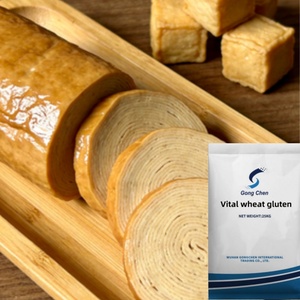
| Vital Wheat Gluten | Milling & Commercial Bakery (Nairobi, Eldoret) | Enriching local composite flours, mandazi, bread dough elasticity | Replaces high-cost imported hard wheat flours; boosts protein to ≥75% |
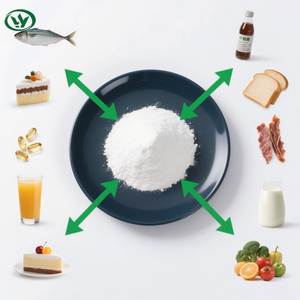
| Alpha Cyclodextrin | Beverage & Functional Foods | Micro-encapsulating hydrophobic flavors, essential oils, and vitamins | Prevents volatile loss in high-ambient-temperature storage; clean-label fiber |
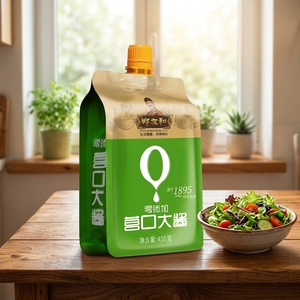
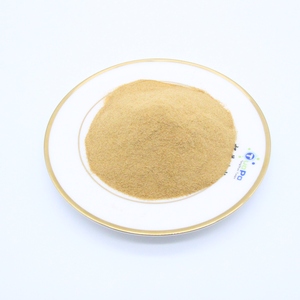
| Yeast Extract Powder | Seasoning Manufacturers & Instant Noodles | Natural MSG replacement, savory umami enhancement, sodium reduction | Halal certified; heat-stable during high-temperature extrusion processing |
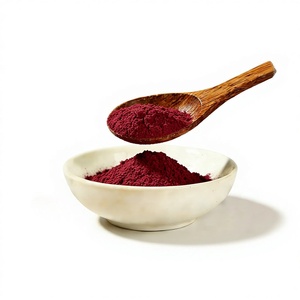
| Red Beetroot Powder | Dairy, Confectionery & Health Drinks | Natural shade-stable red coloring and dietary nitrate fortification | Replaces synthetic azo dyes (E129/E124) subject to KEBS restrictions |
| Kojic Acid Powder | Cosmeceutical Manufacturers (Mombasa, Nairobi) | Skin brightening lotions, anti-hyperpigmentation creams, soaps | Conforms to KS EAS 777 cosmetic safety standards with ≥99% assay purity |
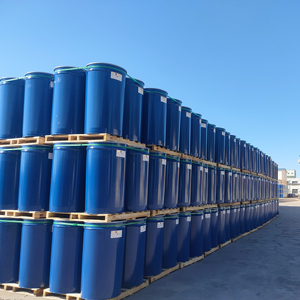
| Concentrated Tomato Paste | FMCG Food Packers & Sauce Brands | Base material for ketchup, canned stews, regional culinary sauces | 220L drum packaging designed for industrial dilution and aseptic repacking |
The Kenyan grain milling industry faces recurring fluctuations in imported wheat quality. Incorporating Vital Wheat Gluten allows local millers and large-scale bakeries in Nairobi and Thika to standardize gluten index parameters. By adding high-purity vital wheat gluten to locally milled flour blends, commercial bakeries achieve superior gas retention, improved dough fermentation tolerance, and prolonged crumb softness—vital for products distributed via extensive multi-tiered retail routes across East Africa.
With the rise of functional wellness beverages across urban centers like Nairobi, consumers are seeking natural energy drinks, sports nutrition blends, and herbal teas. However, natural botanical oils and lipophilic vitamins frequently suffer from poor water solubility and oxidation. Using Alpha Cyclodextrin Powder as a host molecule forms inclusion complexes that convert oily botanical extracts into free-flowing, cold-water-dispersible powders. This technological capability allows Kenyan beverage manufacturers to create crystal-clear functional drinks without phase separation or sediment formation.
The East African personal care market is witnessing a major shift toward safe, non-hydroquinone skin brightening products. Hydroquinone bans enforced by KEBS have created significant demand for compliant, highly effective actives. Cosmetic-Grade Kojic Acid Powder (purity ≥ 99.0%) serves as the gold standard tyrosinase inhibitor for premium skincare brands in Kenya. Our technical team assists Kenyan cosmetic formulators in managing Kojic Acid oxidation through chelation agent pairing and optimal pH buffering (pH 3.5–5.5), ensuring end products maintain color stability throughout their retail shelf life.
Navigating B2B procurement in Kenya requires an intimate understanding of national and regional standards bodies. Imports into Kenya are strictly governed by the Kenya Bureau of Standards (KEBS) under the Pre-Export Verification of Conformity (PVoC) to Standards Programme. Importers must ensure that overseas suppliers supply full testing documentation prior to shipment loading.
PVoC Compliance Assurance: All OEM botanical extracts and food ingredients supplied by our facility undergo rigorous testing at accredited ISO/IEC 17025 laboratories. We provide complete batch testing packs, enabling authorized inspection agents (such as SGS, Intertek, or Bureau Veritas) to issue a Certificate of Conformity (CoC) without port delays or re-inspection fees at Mombasa.
1. Microbiological Control Limits: Tropical supply chains mandate low total viable counts (TVC), zero E. coli, zero Salmonella, and controlled yeast/mold counts in all imported botanical powders. Our steam-sterilization and aseptic processing blocks guarantee ultra-low bio-burden levels.
2. Heavy Metal Toxicity Limits: Strict adherence to Codex Alimentarius and KEBS maximum permissible levels for Lead (Pb), Arsenic (As), Cadmium (Cd), and Mercury (Hg). Every shipment includes batch-specific AAS test reports.
3. Halal Certification & Cultural Compliance: Given the substantial Muslim population in Kenya and the broader EAC region (Tanzania, Uganda, Somalia), Halal certification is essential for widespread consumer acceptance. Our manufacturing plant operates under full Halal audit supervision.
Kenya functions as the commercial gateway for the EAC Common Market. Ingredients imported into Mombasa and processed or repacked within Kenya can be distributed tax-efficiently into Uganda, Rwanda, South Sudan, and Tanzania under East African Trade Protocols. Partnering with a high-capacity OEM manufacturer ensures your brand meets the rules-of-origin requirements and quality consistency required for pan-African expansion.
Selecting an international manufacturing partner requires evaluating capabilities far beyond unit pricing. Technical support, regulatory responsiveness, and supply chain consistency are critical to preventing costly factory downtime. Here is how our production model empowers Kenyan brand owners:
We supply standardized bulk raw materials, dry powder premixes, finished capsules, tablets, and oral liquids tailored to your brand's unique market positioning.
From 220L steel drums for bulk tomato paste to 25kg multi-wall paper bags with PE liners for powders, and private-label retail packaging (bottles, blisters, sachets).
Our food technologists match specific organoleptic profiles, ensuring savory yeast extracts or vegetable powders align seamlessly with regional flavor expectations.
Clear answers to common technical, shipping, and regulatory questions raised by Kenyan importers and manufacturers.
We provide a complete export documentation suite including a batch-specific Certificate of Analysis (COA), ISO/IEC 17025 accredited laboratory test reports (covering heavy metals, pesticides, microbiology, and active assays), Halal Certificates, Free Sale Certificates, and detailed MSDS sheets required for PVoC inspection and CoC issuance.
Standard production lead time for OEM bulk powders and extracts is 2 to 3 weeks following artwork approval and deposit confirmation. Ocean transit time to Mombasa Port typically ranges between 14 to 20 days depending on the shipping line, making total turnaround time approximately 5 to 6 weeks.
Yes. Our facility is equipped with air-swept pulverizers, jet mills, and granulators. We can supply fine powders ranging from 80-mesh to 300-mesh, or produce dust-free granular forms designed for direct compression tableting or high-speed sachet packing machines.
We utilize specialized barrier packaging materials, including multi-layer aluminum foil liners, vacuum-sealed PE bags, and desiccant-integrated containers. For moisture-sensitive extracts, our microencapsulation technologies protect active molecules from atmospheric moisture and thermal oxidation.
Yes. While our bulk raw material standard MOQ is 25kg to 100kg, we offer flexible pilot-tier MOQs for new private-label brand launches in Kenya. This allows local enterprises to test market demand before scaling up to full FCL container orders.
All our food ingredients, botanical extracts, and contract-manufactured finished dosage forms hold recognized Halal certification, adhering to international Islamic dietary standards suitable for distribution throughout East Africa.
Ready to launch your custom private-label line or upgrade your ingredient supply chain in Kenya? Contact our technical sales and regulatory experts today to request sample kits, Certificate of Analysis files, and competitive bulk pricing.