


1. Strategic Overview of the Capsule Filling Landscape in Hanoi & Northern Vietnam
The nutraceutical and pharmaceutical landscape in Northern Vietnam, specifically centered around the Hanoi metropolitan area, is undergoing a rapid structural transformation. Driven by expanding healthcare expenditure, an aging demographic, and rising consumer demand for preventative wellness solutions, local brand owners and pharmaceutical enterprises are prioritizing high-efficiency, fully compliant capsule filling suppliers. As a major economic hub, Hanoi serves as the administrative, research, and logistics nucleus for Vietnam’s healthcare manufacturing sector, linking industrial zones across Bac Ninh, Hung Yen, and Vinh Phuc.
Navigating the local ecosystem requires an acute understanding of the Drug Administration of Vietnam (DAV) standards, Ministry of Health (MOH) circulars, and stringent ASEAN Harmonized Cosmetic and Supplement Regulations. Choosing a trusted capsule filling supplier is no longer merely a matter of unit price; it requires a sophisticated partnership built on technical validation, low-moisture precision handling, rapid turnaround times, and robust supply chain traceability.
2. Encapsulation Technical Standards: Gelatin vs. HPMC in High-Humidity Climates
One of the primary technical hurdles encountered by capsule filling operations in Hanoi is the region’s humid subtropical climate (Cwa classification under Köppen), characterized by extreme humidity spikes during the summer and monsoon months (R&H exceeding 85%). This environment poses severe challenges for powder hygroscopicity, capsule shell brittle fracture, and cross-linking.
Hard Gelatin Capsule (HGC) Standards
Bovine and porcine gelatin shells remain the market standard for cost-effective supplement encapsulation. However, HGCs maintain a moisture content of 13.0% to 16.0%. In Hanoi’s humid conditions, unconditioned filling environments lead to moisture absorption, shell softening, and sticky agglomeration. Premier suppliers utilize climate-controlled cleanrooms (Class 100,000 / ISO 8) maintaining strict ambient conditions of 20°C–24°C and 35%–45% RH.
HPMC (Vegetarian) Capsule Innovation
Hydroxypropyl Methylcellulose (HPMC) capsules have emerged as the preferred medium for premium, organic, and moisture-sensitive active pharmaceutical ingredients (APIs) and botanical extracts. Containing only 4.0% to 6.0% equilibrium moisture, HPMC shells resist cross-linking and maintain structural integrity under Hanoi's seasonal temperature variations, ensuring extended shelf stability for exported and domestic formulations.
3. Information Gain: Advanced Excipient Matching & Formulation Optimization
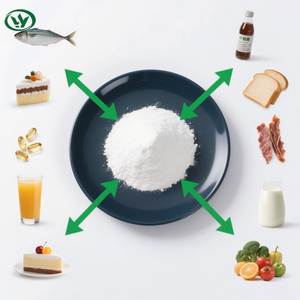
Achieving optimal fill-weight uniformity and preventing segregation in high-speed automatic capsule filling machines (operating at 100,000+ capsules/hour) requires careful excipient selection. Through decades of formulation research, our technical team has established proven excipient-active matrix pairings that solve common manufacturing bottlenecks:
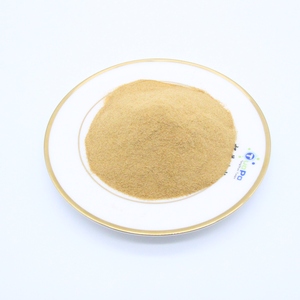
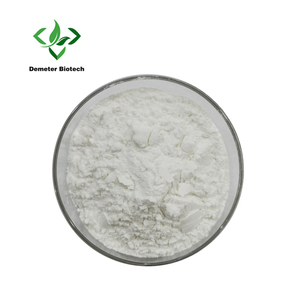
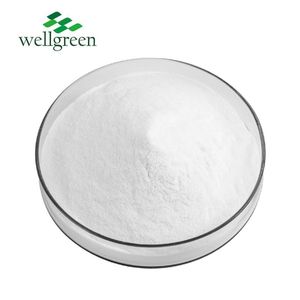
- Micro-Encapsulation & Bioavailability Enhancers: Utilizing specialized carriers like Alpha Cyclodextrin Powder enables the stabilization of fat-soluble vitamins (A, D3, E, K2) and volatile essential oils, converting lipophilic liquids into free-flowing, non-hygroscopic powders optimized for Size 0 and Size 00 capsule dosing discs.
- Direct Compression & Flowability Agents: Incorporating highly standardized Organic Food Grade Maltodextrin and microcrystalline cellulose (MCC) improves powder flow indices (Carr’s Index < 15%, Hausner Ratio < 1.25), preventing void spaces and weight variation during automated tamping pin operation.
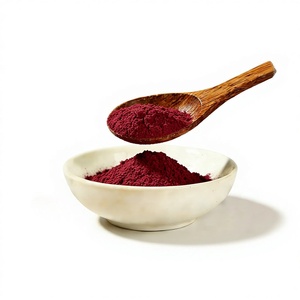
- Clean-Label Botanical Fillers: Replacing synthetic anti-caking agents with dehydrated botanical matrices such as Red Beetroot Powder or clean-label protein carriers allows Hanoi brands to claim 100% natural composition while maintaining uniform bulk density.
4. Localized Application Scenarios in Northern Vietnam
The Hanoi market presents unique commercial application scenarios across distinct product categories, requiring tailored contract manufacturing and raw material customization:
Traditional Medicine Modernization
Hanoi’s rich heritage in Eastern Medicine (Y Học Cổ Truyền) is transitioning from decoctions to standardized encapsulate forms. Herbal extracts like Curcumin, Polysaccharides, and Cordyceps extracts require precision spray-drying and encapsulation to lock in active marker compounds while eliminating bitterness.
Cosmeceuticals & Nutricosmetics
Distributors in urban centers like Hoan Kiem, Cau Giay, and Ba Dinh are experiencing surge demand for skin whitening and anti-aging oral capsules. Formulations leveraging high-purity Kojic Acid Powder, L-Glutathione, and Collagen peptides demand airtight encapsulation to prevent oxidation.
Clinical & Medical Nutrition
Hospital networks and clinical nutrition providers in Hanoi require specialized enteric-coated capsules capable of bypassing gastric fluids to deliver targeted probiotics and enzyme blends directly to the lower intestinal tract.
5. Macro Market Trends Driving Hanoi's Supplement Manufacturing Boom (2025–2030)
Market intelligence indicates three major macroeconomic forces shaping the supplier selection process in Hanoi over the coming decade:
- Shift Toward OEM/ODM Integrated Contract Manufacturing: Local brand owners are shifting away from fragmented supply chains. Instead of sourcing shells, actives, and filling services from separate entities, Hanoi enterprises overwhelmingly prefer turnkey CRAMS (Contract Research and Manufacturing Services) partners capable of managing formulation, stability testing, primary packaging, and regulatory filing under one umbrella.
- Demand for Export-Grade International Certifications: With Vietnamese supplement brands aggressively expanding into ASEAN, EU, and North American markets, domestic brands require capsule suppliers that carry global accreditation, including US FDA Registration, FSSC 22000, ISO 22000, HACCP, Halal, and AYUSH GMP.
- Clean-Label & Non-GMO Mandates: Vietnamese consumers are increasingly scrutinizing product labels. The exclusion of artificial colorants (such as Titanium Dioxide), synthetic preservatives, and genetically modified excipients is becoming a baseline procurement requirement for top Hanoi suppliers.
6. Corporate Advantages: Why Leading Hanoi Brands Partner With Us
As an international manufacturing leader with over 38 years of formulation legacy, our integrated operational infrastructure provides distinct strategic advantages for clients in Hanoi and Northern Vietnam:
- Massive Scale & Dedicated Dosage Blocks: Operating dedicated production blocks equipped with high-speed automated encapsulation lines capable of yielding over 140 million capsules and 400 million tablets annually.
- Rigorous Analytical Quality Control (QC): Every production lot undergoes comprehensive testing via high-performance liquid chromatography (HPLC), gas chromatography (GC), UV-Vis spectrophotometry, heavy metal ICP-MS, and microbiological testing to ensure absolute label-claim compliance.
- End-to-End Regulatory Support: Our dedicated regulatory affairs desk provides comprehensive dossier preparation, Certificate of Free Sale (CFS), Certificate of Analysis (COA), stability study data (zone IVb conditions), and label compliance support tailored to Vietnamese DAV and MOH requirements.
- Optimized Cold-Chain & Logistics Hubs: Streamlined sea and air transport routes connecting manufacturing units directly to Haiphong Port and Noi Bai International Airport (Hanoi), ensuring uninterrupted raw material delivery and low transit times.